In recent years, conflicts between humans and wild animals such as bears, deer, and monkeys have become a major social issue across Japan. On the other hand, these issues are not merely "animal problems" but are also deeply intertwined with human land use, tourism development, and the state of regional industries.
In Shiretoko, a World Natural Heritage site, we continually grapple with the question of "What kind of relationship should humans and wild animals build?" amidst the coexistence of a rich natural environment, local life, and the tourism industry.
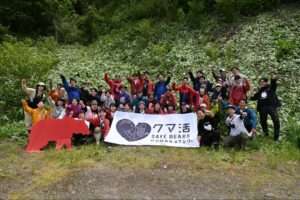
Within this, Kitakobushi Resort is challenging itself to create a region where bears and humans can coexist while maintaining an appropriate distance, rather than eradicating bears, through a unique initiative called "Kuma-katsu."

In this webinar, we will ask why accommodation providers are working to coexist with brown bears, what motivated them to continue their activities, and what value their efforts are creating for the region and tourism.
Moving beyond "tourism that protects nature," we will consider with all participants the state of "tourism that regenerates the relationship between people and nature" from the perspective of regenerative tourism.
Even if you cannot make it on the day, we plan to distribute an archive video to all registrants later, so please sign up.
Event Details
- Date: Tuesday, July 28, 2026, 3:00 PM - 4:00 PM
- Format: Online (Zoom)
- Participation Fee: Free (advance registration required)
- Organized by: Regene Travel (Asuek Inc.) × Kita Kobushi Resort
- Application Formhttps://us06web.zoom.us/webinar/register/WN_ieV209JAQ0KTGvts55aH_w
Archive videos will be distributed to all applicants at a later date.
Program
- Opening
- Part 1: Realizations Gained Through Participating in the Regenerative Journey "Kuma-katsu," and Introduction to the Feature Article
- Part 2: Haruka Murakami, Management Strategy Office, Hokukobushi Resort Speaking engagement
- Why do hotels engage in bear activities?
- What is the essence of the brown bear problem?
- What is the goal of Kumakatsu?
- How do employees and participants change through bear activities?
- Can tourism protect and improve nature and ecosystems?
- Q&A/Closing
Recommended for people like this
- Individuals involved in regional tourism strategies and community development, such as local governments, DMOs, and tourism associations.
- Those involved in the tourism industry, such as travel agencies, accommodations, and transportation providers
- Individuals interested in promoting corporate sustainability, ESG, and regional co-creation
- For those who want to know practical examples of sustainable tourism and regenerative tourism
Speaker
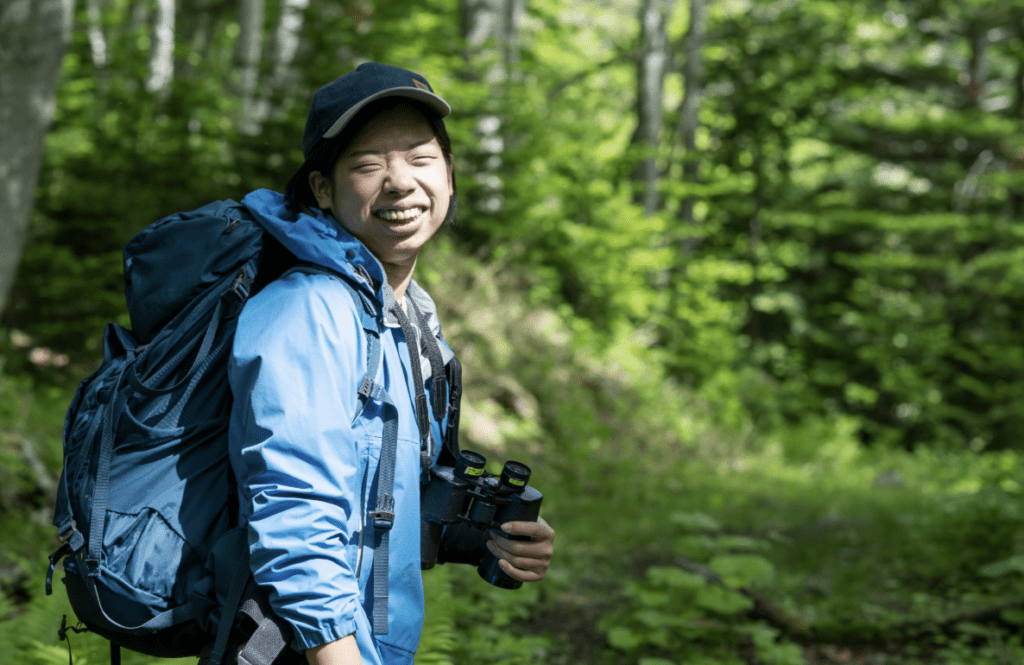
Kitakobushi Resort Management Strategy Office Haruka Murakami
Born in Osaka Prefecture in 1995. After graduating from high school, I advanced to Rakuno Gakuen University in Hokkaido. I studied wildlife ecology, mainly brown bear ecology, in the Faculty of Environmental and Symbiotic Studies. I fell in love with Shiretoko at first sight during my fourth year of university and joined Kitakobushi Resort in 2017, moving to Shiretoko. After gaining experience in hotel customer service, I took on my current role in the Management Strategy Office, responsible for public relations and new graduate recruitment in 2020. I have also been involved in "Kuma-katsu" (bear activities) since its inception. My hobbies include outdoor activities such as trekking and sea kayaking. I also serve as co-representative of the Shiretoko Cleanup Project.