

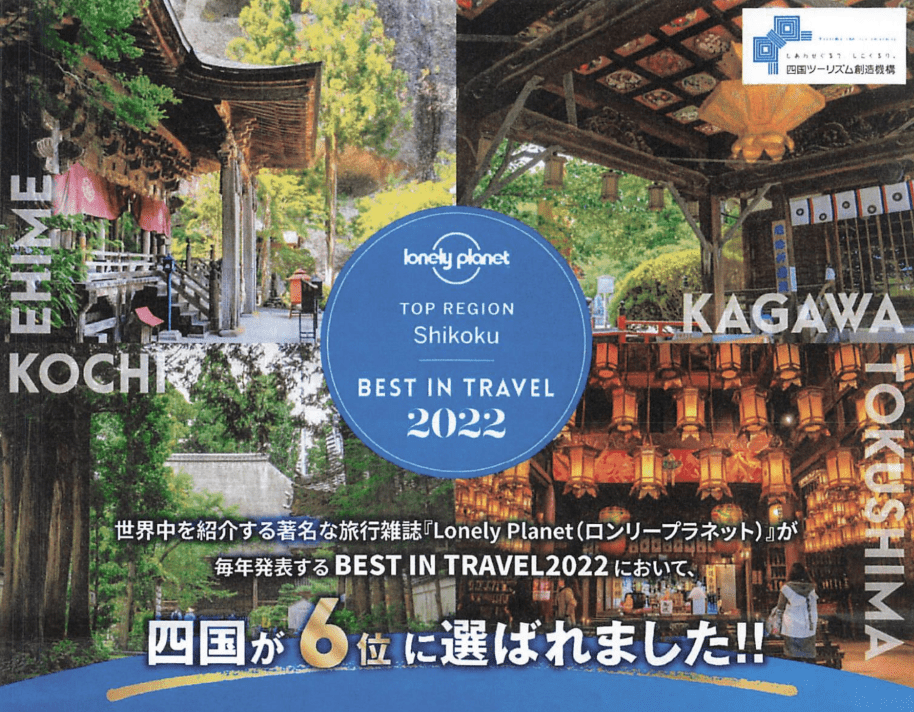
In 2022, Shikoku was ranked sixth in the world in the “Best in Travel 2022” regional category announced by the global travel guidebook *Lonely Planet*.
The recognition was given to activities and stories deeply rooted in the region, such as the pilgrimage culture, Kamikatsu Town’s zero-waste initiative, and the Kazura Bridge in Iya.
Rather than the names of individual prefectures such as “Ehime” or “Kagawa,” the brand “SHIKOKU”—as a region—is quietly but steadily gaining recognition in the global tourism industry.
Behind this remarkable achievement lay a meticulous strategy and the intense “sense of crisis” felt by one leader. Mr. Kuwamura of the Shikoku Tourism Creation Organization took a hard look at the current reality of Shikoku—a region with neither World Heritage sites nor a Shinkansen line—and has been working to achieve the vision of “establishing the Shikoku brand,” with “sustainable tourism” as one of the means to that end.
How did Shikoku manage to transform itself into a “global leader in sustainability” in such a short period of time? We explore the full scope of its strategy and delve into the essence of regional revitalization driven by tourism.
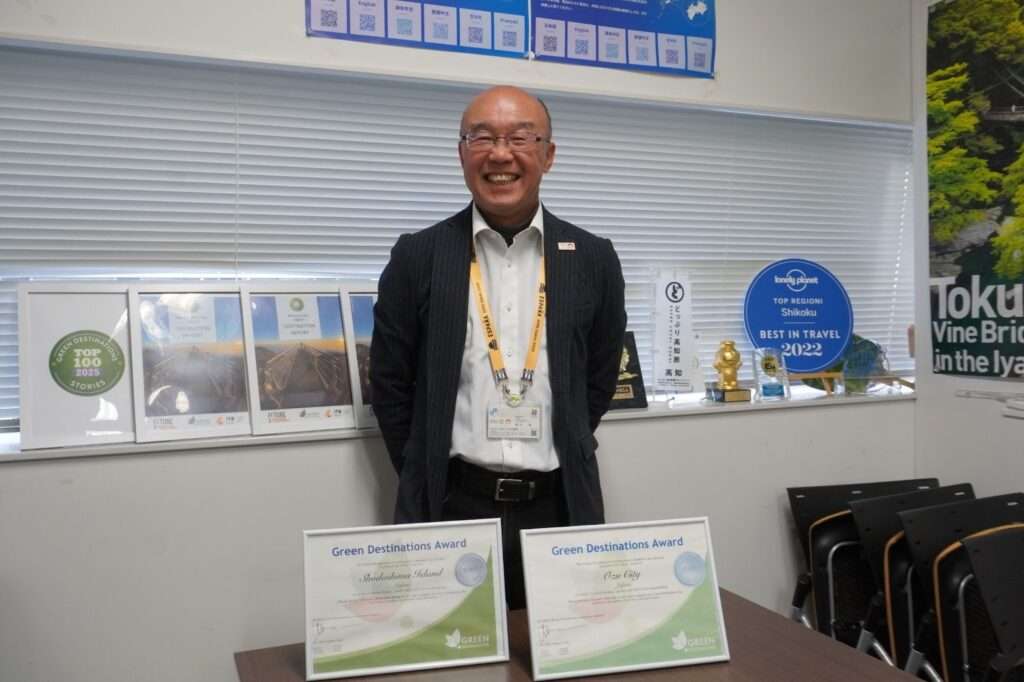
Taku Kuwamura
Joined JTB in 1988. After working for 11 years in overseas group travel sales at the Hiroshima Branch of the Group Travel Division, he was transferred to the Paris Branch of JTB EUROPE. Upon returning to Japan, he served as branch manager in Kurashiki, Tottori, and Okayama. In February 2020, he was appointed General Manager of the Business Promotion Division at the Shikoku Tourism Creation Organization, a general incorporated association.
The Challenge of Achieving International Certification, Starting from Scratch
If we turn the clock back to 2020, the situation in Shikoku was completely different from what it is today. At that time, Mr. Kuwamura—who had been seconded from JTB and assigned to Kagawa—said he faced a staggering “gap in awareness.”
Across the river, Okayama Prefecture is known as a leader in SDGs, where the government and the business community have joined forces to promote initiatives aimed at achieving the United Nations’ 2030 goals (SDGs). SDG badges gleam on the lapels of businesspeople walking through the city, and a sense of personal responsibility is beginning to take root.
However, on Shikoku—just across the sea—no one was wearing an SDGs badge, and the term “SDGs” itself hadn’t even caught on. Amid the international momentum toward the 2030 goal, I began to worry whether Shikoku would be all right.
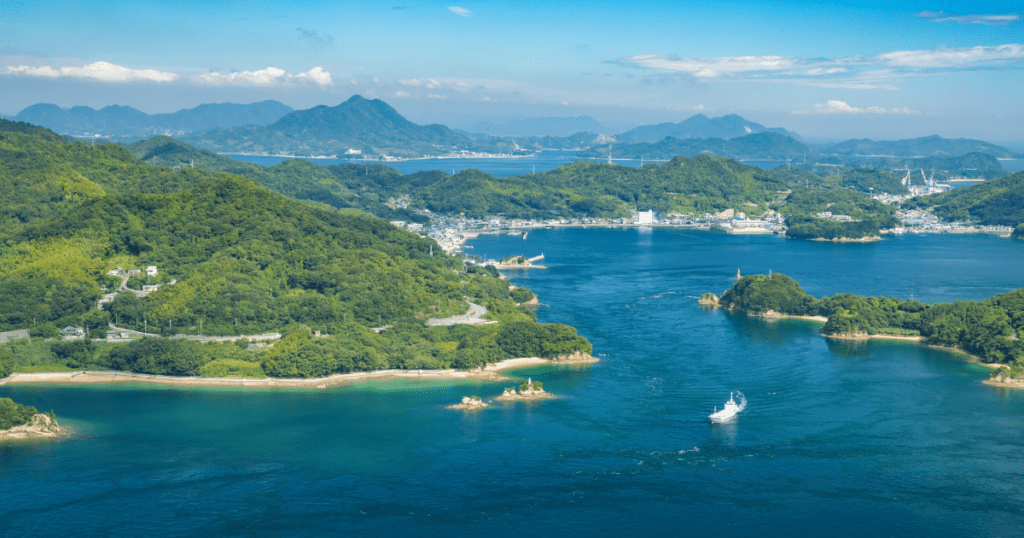
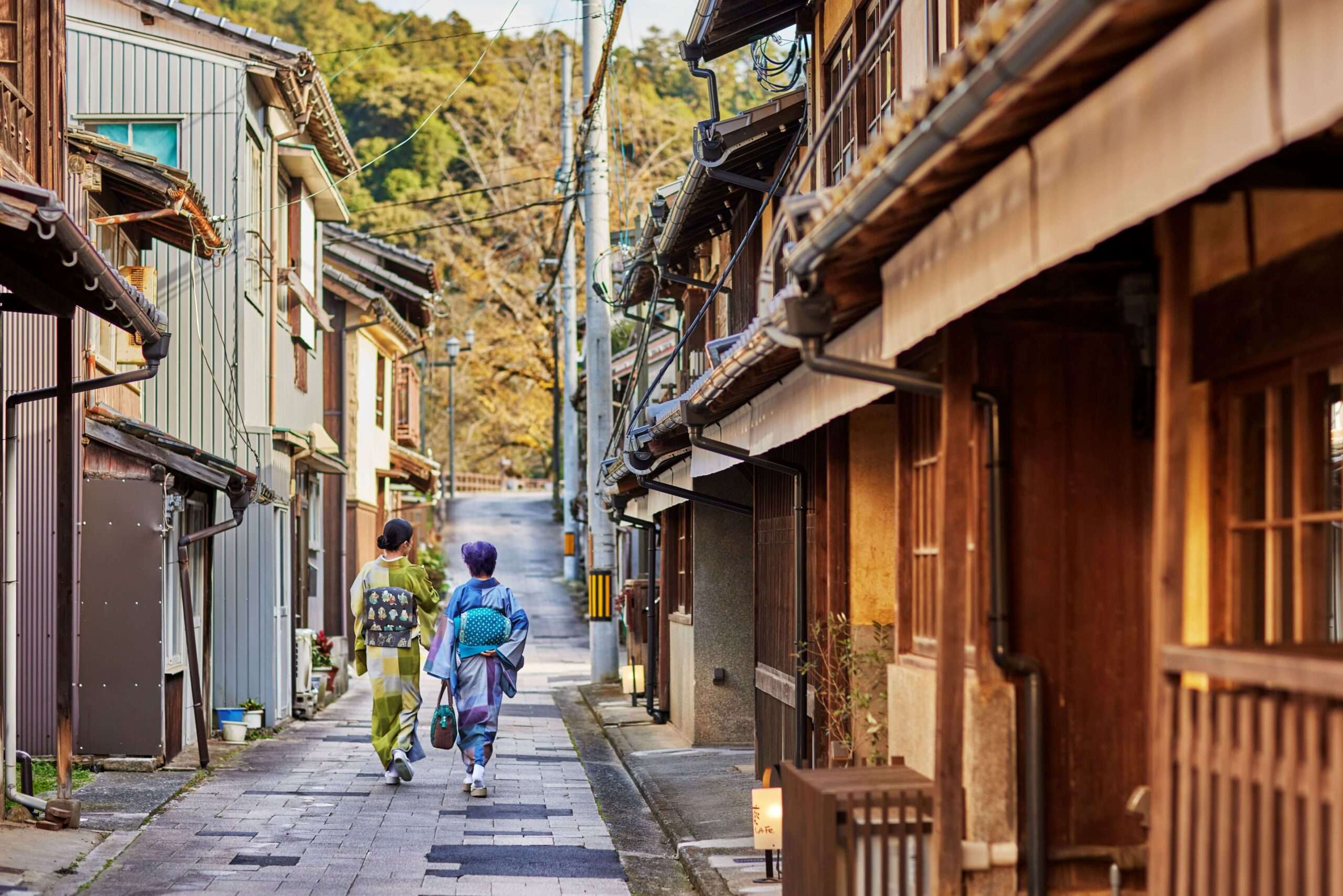
That sense of urgency was also linked to the structural weaknesses facing tourism in Shikoku. Shikoku has no World Heritage sites like those in Kyoto, nor does it have a Shinkansen line that would dramatically improve access. Of course, each prefecture has its own strong attractions, such as the Awa Odori dance and Dogo Onsen. However, on their own, these remain merely “isolated” attractions.
Mr. Kuwamura: It’s true that we have attractions like the Shikoku Pilgrimage and the region’s rich natural beauty. However, those alone are unlikely to be the decisive factor that convinces international travelers to “tour the entire Shikoku region.” Ultimately, travelers end up returning to Hiroshima or Okayama on the opposite shore. I felt a sense of crisis, thinking, “If things continue this way, Shikoku will become a destination that no one chooses.” However, the staff around me still didn’t fully grasp this reality.
If there’s no single, overwhelming advantage, the only option is to change the way you fight. With the resolve that “if I don’t do this now, no one else will,” Mr. Kuwamura decided to pursue “international certification”—not to build flashy, large-scale facilities, but to sustainably enhance the inherent value of each region in Shikoku.
A Network Concept That Transforms “Points” into “Surfaces”
June 2020 marked a turning point. The Japan Tourism Agency formulated the “Japanese Sustainable Tourism Guidelines (JSTS-D)” and began accepting applications for model regions aiming to develop sustainable communities.
Subsequently, as the Japan Tourism Agency expanded the number of model regions, interest in the “TOP100” story competition—organized by Green Destinations (GD), an international certification program for sustainable tourism—gradually grew.
The GD Top 100 is not merely a popularity contest for tourist destinations. It is an international competition that evaluates sustainability initiatives and the “stories” behind them against global standards, and being selected serves as a gateway to gaining worldwide recognition.
Although the GD Top 100 is a different framework from certification, it serves as an appropriate first step for regions to begin addressing sustainability. After hearing about it, Mr. Kuwamura reached out to Kita Management—the regional DMO for Shodoshima Town and Ozu City—and encouraged them to apply “for the sake of regional branding.”
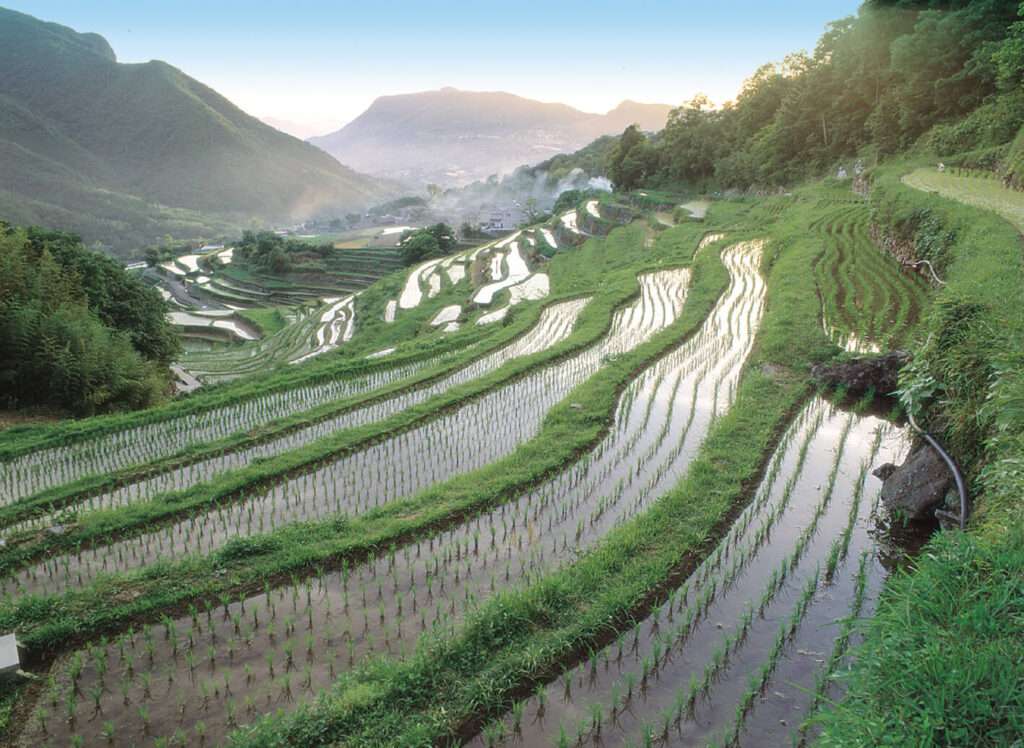
However, the first areas selected as sustainable tourism destinations were all regions struggling with overtourism, such as Niseko, Kyoto, and Okinawa. Even so, Mr. Kuwamura did not give up and began preparing to resubmit the application the following year, in 2021; however, he reportedly faced difficulties not only with the external review process but also with “persuading tourism stakeholders in Shikoku.”
When the community was considering reapplying, some residents expressed skepticism, asking, “Will tourists really come if we do this?” but Mr. Kuwamura persisted in his efforts to convince them.
Mr. Kuwamura: Obtaining certification is not the end goal. It is merely one of the “means” for branding the region. The real challenge lies in using this as a tool to effectively communicate the region’s value.
With the cooperation of local tourist facilities and transportation providers, they gradually filled in the gaps. Thanks to the hard work of staff from the Tourism Division and the Regional Revitalization Corps, Shodoshima Town—which had been selected as a model district in May 2021—was named to Shikoku’s first-ever GD TOP 100 list in October. Ozu City, which had also been selected as a model district, was named to the TOP 100 in 2022.

Those efforts certainly made an impact on the world. Shodoshima Town and Ozu City subsequently expanded their initiatives and achieved the remarkable feat of winning the “Silver Award,” one of the top prizes at the GD Awards. (The Silver Award was presented to Shodoshima as a whole, jointly with Tonosho Town.) It was the moment when a world-class accolade began to shine on Shikoku, a region that had previously been unknown.
Furthermore, in parallel with its efforts to engage local governments, the Shikoku Tourism Creation Organization, led by Mr. Kuwamura, took action on its own. To demonstrate the organization’s commitment to taking the lead on this initiative, it required all staff members to obtain the “GSTC* Certificate,” an international certification in sustainable tourism.
This is not merely about improving skills. It is also a process in which all staff members come to understand “global standards” and develop a common language for engaging with the local community. As a result, both the local community and the DMO have begun to steadily achieve tangible results.
*GSTC (Global Sustainable Tourism Council): An international nonprofit organization that establishes and manages global standards for sustainable travel and tourism.
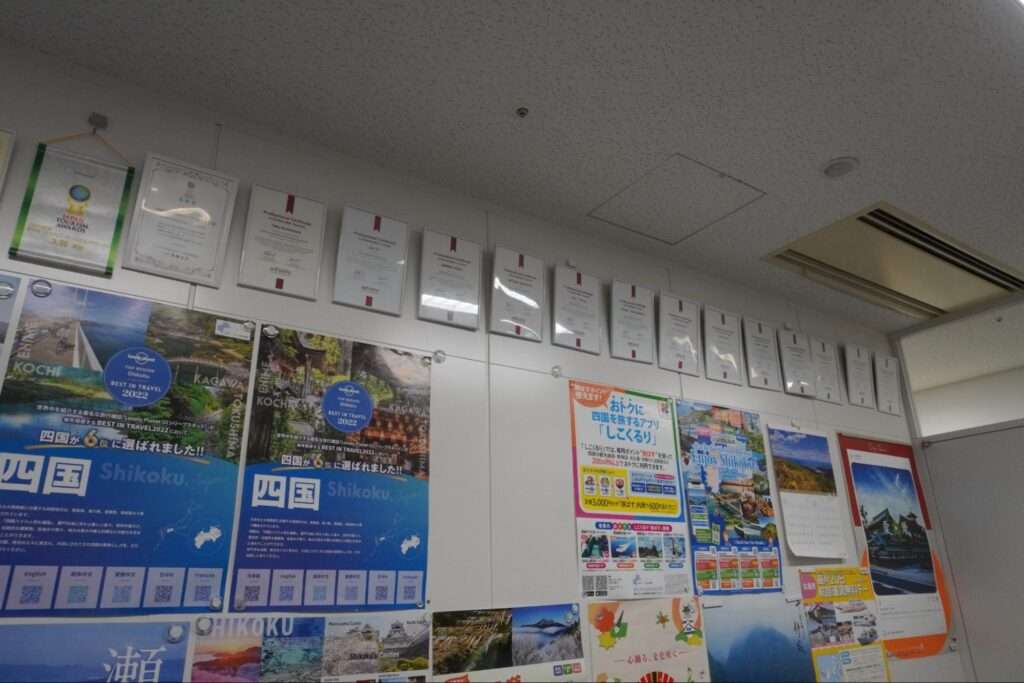
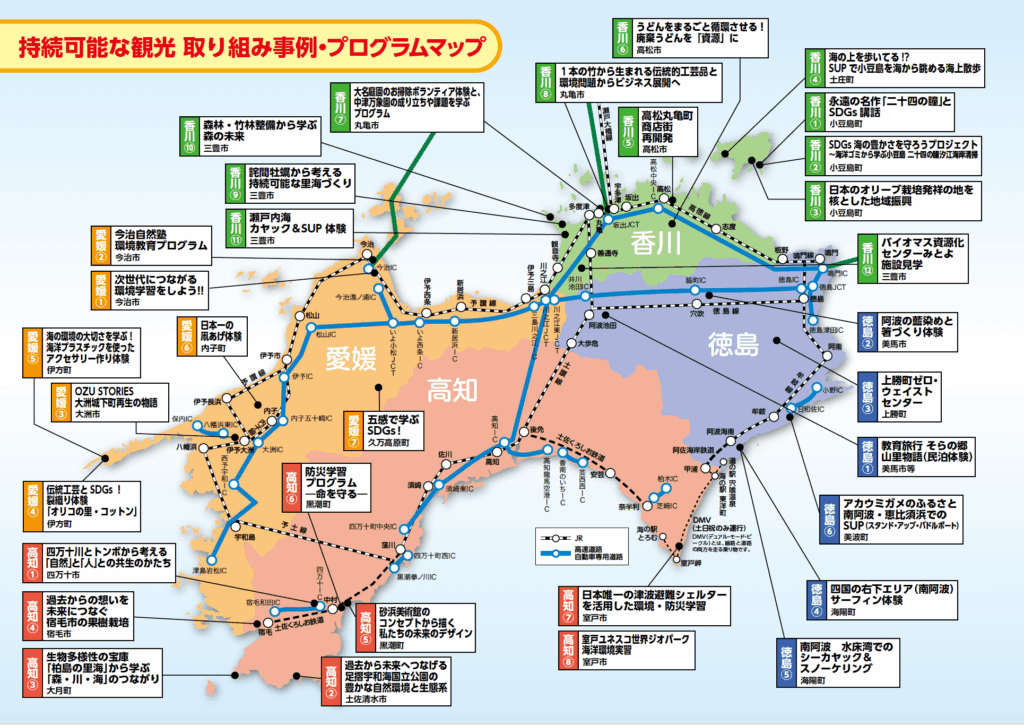
The next step in expanding this “point” into a “network” was the establishment of the “Network for Promoting Sustainable Tourism” in 2022. This network, created through collaboration among local governments, currently has 22 member organizations. It has expanded to the point where there are certified areas in all four prefectures of Shikoku.
Mr. Kuwamura: Rather than being isolated efforts, as more regions in each prefecture take action and these efforts form a “network,” the brand value of Shikoku as a whole will improve. The perception that “if you visit Shikoku, you can experience sustainable tourism” is the most effective way to overcome our weaknesses.
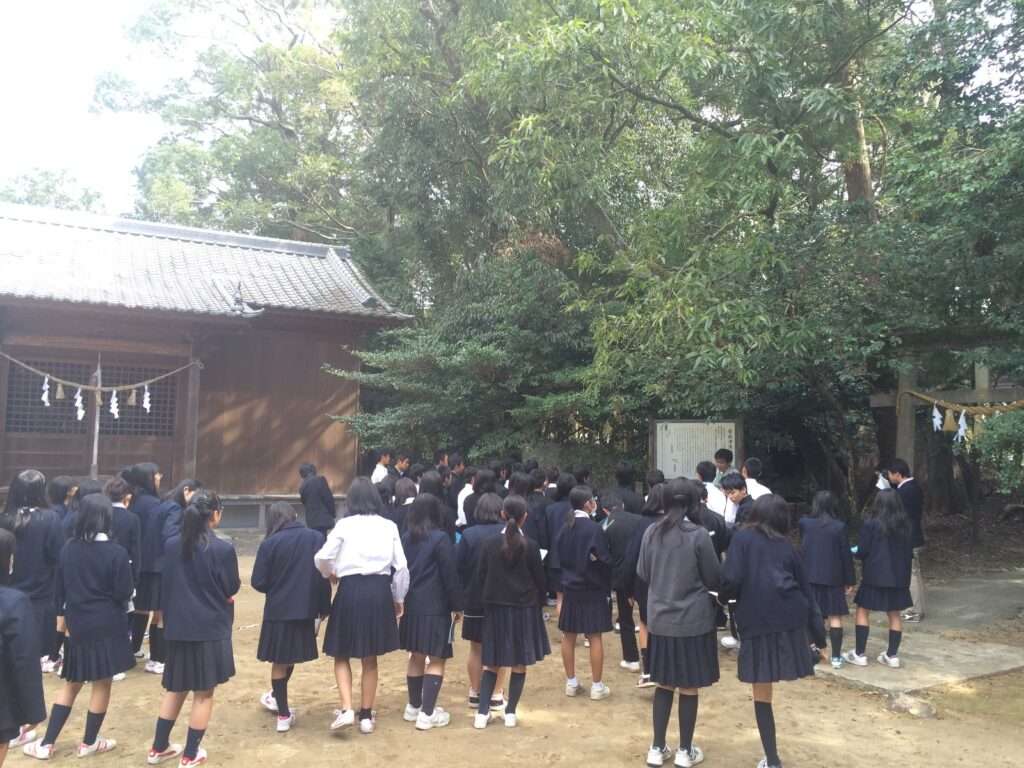
In fact, this strategy is already beginning to yield tangible results in the field of educational travel. Currently, high schools in Tokyo and elsewhere are beginning to choose Shikoku as the destination for their school trips.
When students take the lead in planning their own courses, the “SDGs” and “depth of learning” serve as their criteria for selection. It is precisely those regions with robust sustainable initiatives and learning programs that are becoming the “destinations of choice” for today’s discerning young people.
The Power of “Story” in Achieving World-Class Recognition
In the GD Top 100, “story” is the most important factor. Why is this initiative necessary, and how is it rooted in the local community? The key points that resonate vary greatly depending on the target traveler demographic.
Mr. Kuwamura: People from Asia tend to prioritize the entertainment value of attractions and their visual appeal. On the other hand, people from Europe and the United States seek the story and reasoning behind things—such as “Why is this here?” or “Why is it made of stone?”—so they are only truly moved once a guide explains the background.
These cultural differences are clearly evident, as illustrated by the response to the traditional craft item known as the “Marugame uchiwa.” With inexpensive plastic versions becoming increasingly widespread, the barrier to purchasing a traditional craft item that costs several thousand yen remains high for travelers from Asia.
On the other hand, travelers from Europe and the United States find value in the process itself—specifically, “where the bamboo is sourced from and how the artisans craft it.” The challenge of pursuing GD certification is not merely about aiming to obtain certification in the future. It is the very process of carefully organizing the background and context of these products and redefining them as “value” that holds global appeal.

Marugame City in Kagawa Prefecture adopted this perspective and shifted its strategy. Initially, the city attempted to submit an application centered on projects such as the restoration of Marugame Castle’s stone walls, but its lack of distinctiveness posed a challenge when competing with candidate sites from around the world.
So in 2025, the city partnered with tourism businesses and students to rediscover local resources, and in the process, identified “circulation” as a key concept. Pine needles from the renowned “Nakatsu Bansho-en” garden were spread around the bases of lemon trees to retain heat, and the lemons grown there were then processed into various products. By making this cycle of resource use visible, the city linked the resolution of local issues with education.
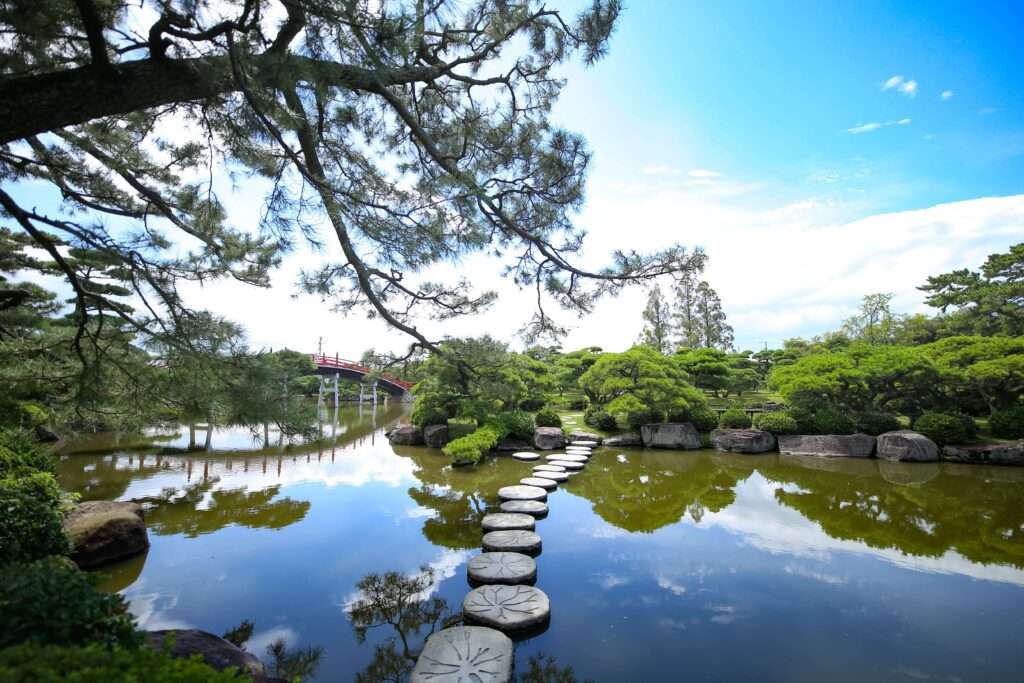
As a result, Marugame City was once again selected for the GD Top 100 with its story titled “The City Becomes a Classroom—Circular Tourism That Begins with Learning and Connects to the Next Generation.” It was not merely the consumption of goods, but rather the resonance with the underlying story that earned it this world-class recognition.
The Revitalization of Local Communities Through Tourism
As a concept that goes beyond sustainable tourism, “regenerative tourism”—which aims to improve local communities through tourism—is gaining attention.
The GD initiative in Shikoku was, in fact, a process that transformed the mindset of local residents and helped them regain their sense of pride. Mr. Kuwamura speaks with evident joy about the changes that have taken place in Shodoshima Town, which received Shikoku’s first GD Award.
Mr. Kuwamura: There’s something the mayor of Shodoshima Town said that made me especially happy. He told me, “We reduced the number of trash cans at the festival from four to one, and when high school students took the lead in encouraging proper waste sorting, the total amount of trash decreased and sorting became much more thorough. Even the staff started asking at meetings, ‘Is that sustainable?’”
Winning the GD Award is about more than just attracting tourists. We truly feel that it has changed the mindset of local high school students and staff and helped foster a sense of civic pride.
External evaluations are changing internal attitudes. Tourism has begun to function as a mechanism for revitalizing regional pride, going beyond mere economic activity.
Turn Negatives into Assets Through “Reverse Thinking”
The power of tourism can transform even a region’s negative aspects into positive assets. A prime example of this is the initiative undertaken by Kuroshio Town in Kochi Prefecture.
Kuroshio Town is an area where “one of the worst tsunami disasters in the country” is predicted to occur in the event of a Nankai Trough earthquake. They turned this information—which under normal circumstances might lead people to shy away from the area, saying, “It’s too scary to live there”—to their advantage.
To prepare for emergencies, they developed delicious “gourmet canned goods” made with local ingredients. They branded them as “serious disaster-preparedness food created by the town said to be most at risk of a tsunami in Japan.”
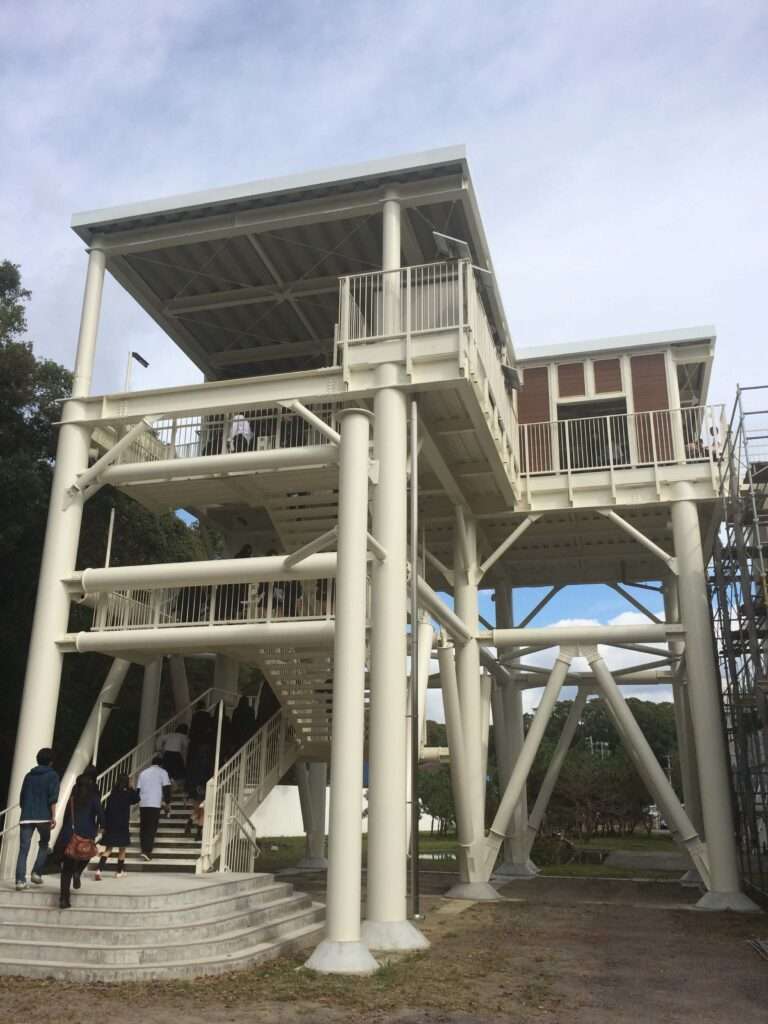
Rather than hiding risks, we face them head-on, turn them into products, and communicate them. This remarkable resilience truly shines only when viewed through the lens of tourism.
Mr. Kuwamura: “I thought, ‘Let’s make delicious canned foods that can be eaten right away so people won’t have trouble getting food during disasters.’ Now, we’re transforming that into a tourism attraction. I found that to be a very positive and powerful idea. This is the kind of idea that could only come from the tourism sector, right? They’re turning adversity to their advantage and turning it into brand power. That kind of transformation can only happen through a tourism perspective. That’s what makes it so interesting.”
So That the Hometown I Want to Return To Is Among the “World’s Top 100”
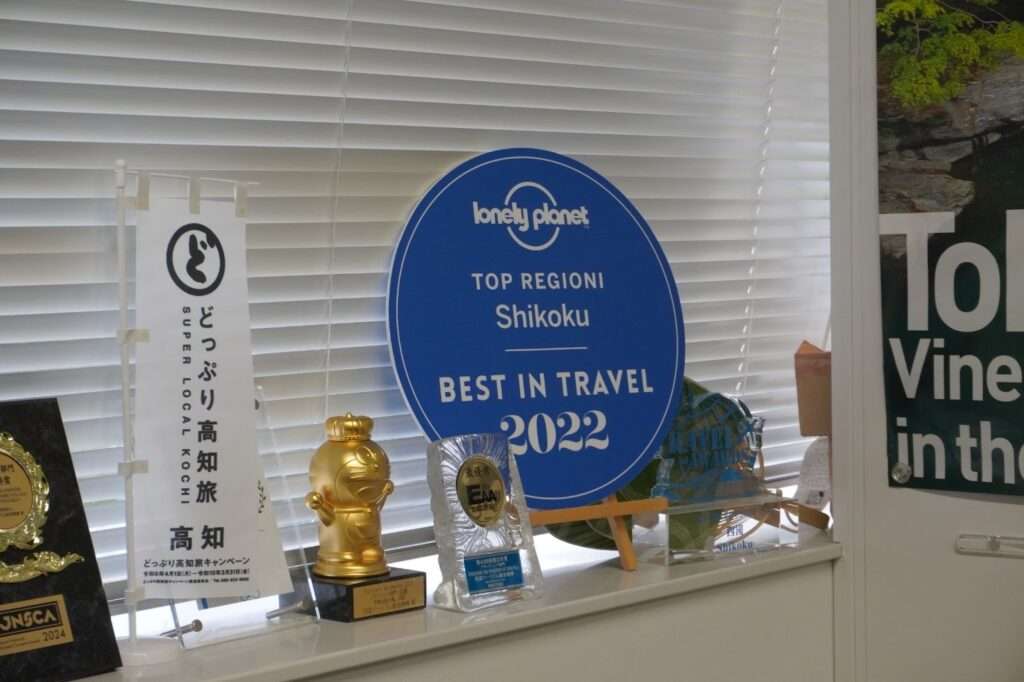
Toward the end of the interview, Mr. Kuwamura looked back on the past five years and smiled at the results, which had exceeded his expectations.
Mr. Kuwamura: Our initial KPIs were “international certification in 8 regions” and “16 organizations obtaining the JSTS-D logo” over a five-year period, but we’ve actually exceeded those targets, reaching “a cumulative total of 11 regions with international certification” and “18 organizations with the JSTS-D logo.” To be honest, I never expected that a region in Shikoku would win a Silver Award within those five years.
I am truly delighted that award-winning regions were selected from four prefectures in Shikoku, including Marugame City and Mitoyo City in Kagawa Prefecture, Miyoshi City in Tokushima Prefecture, and Kuroshio Town in Kochi Prefecture. I am grateful to everyone in each of these regions for their outstanding achievements.
With Shikoku’s initiatives gaining momentum—including being named to GD’s Top 100 and winning awards—Mr. Kuwamura has moved his role into the next phase.
Convinced that “the pioneering regions already have the capacity to move forward on their own,” Mr. Kuwamura is working to raise the overall standard across Shikoku by recruiting new members who aim for the TOP 100 and various awards, and by further expanding the network, which has already grown to 22 organizations.
From the stage of creating best practices to the stage of expanding their reach—at the heart of this vision lay an unwavering belief in the tourism industry in rural areas.
Mr. Kuwamura: In rural areas, in particular, the tourism industry—which creates local jobs and generates local products—is a lifeline. And there’s no such thing as a “region without a story.” Even if a place doesn’t have a famous history, if you look closely, you’ll always find stories waiting to be discovered—whether in everyday life or in ingenious solutions to problems like waste management.
It is important not to treat these stories as one-time events, but to nurture them as part of a year-round branding strategy.
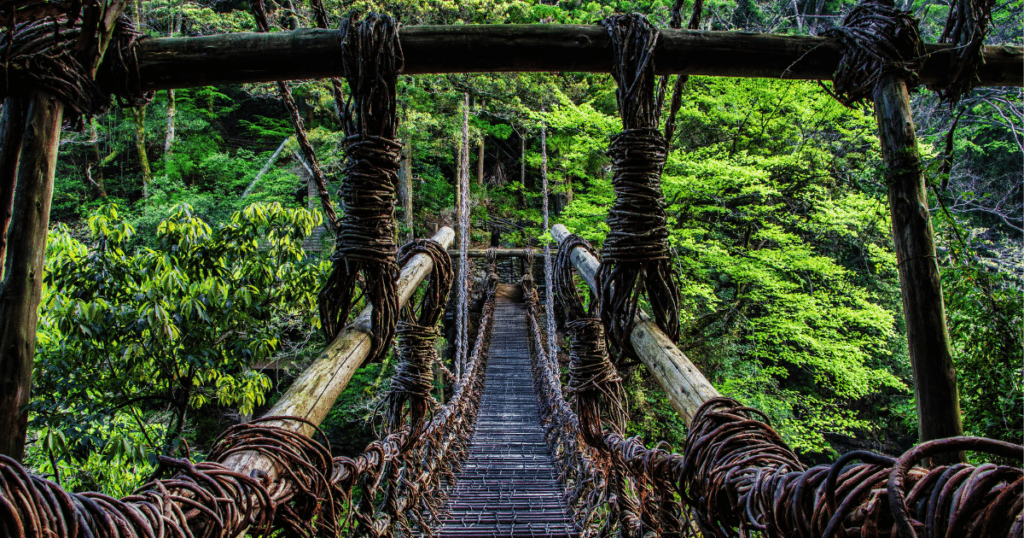
Whether it’s GD winning an award or the renewed appreciation for the pilgrimage route, everything boils down to a single goal: “regional branding.” It’s not just about attracting tourists. It’s about making this a place of pride—so that young people who once left this area will, when they look back on their hometown someday, feel the desire to return.
Mr. Kuwamura: Someday, when young people look back on their hometowns, they’ll realize, “My hometown has been ranked among the world’s top 100.” I hope that sense of pride will inspire them to consider returning home or moving there. That, precisely, is the true regional branding we’re striving for.
Shikoku’s journey began with a sense of lack stemming from the fact that it had “no World Heritage sites.” Today, that journey is beginning to bear tangible fruit, transforming the region into an “island of sustainable tourism” that travelers from around the world now long to visit.
With the cooperation of: Shikoku Tourism Creation Organization

