
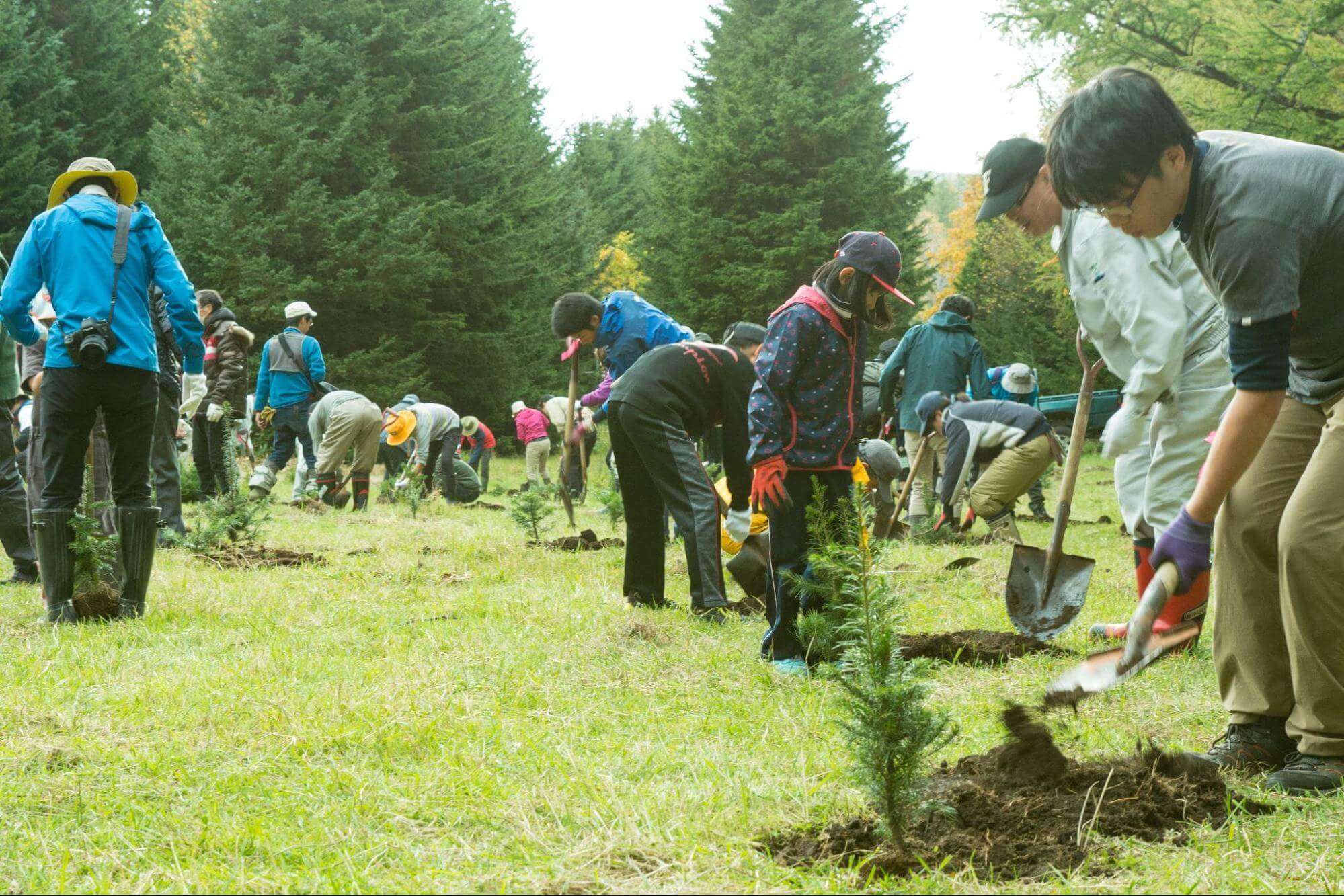
Image provided by: Shari Town
Shari Town is located on the northern side of the Shiretoko Peninsula, which juts out into the Sea of Okhotsk at the eastern end of Hokkaido. The human settlements end here, continuing into the virgin forests of Shiretoko, which means "end of the earth" in the Ainu language. Shari Town is a town situated at the "boundary" where such untouched natural environment and human society meet.
In a corner of this town, which is home to overwhelming nature designated as a World Natural Heritage site and where people have lived in conflict while coexisting with it, stands a small building called the "Shiretoko 100 Square Meter Movement House."
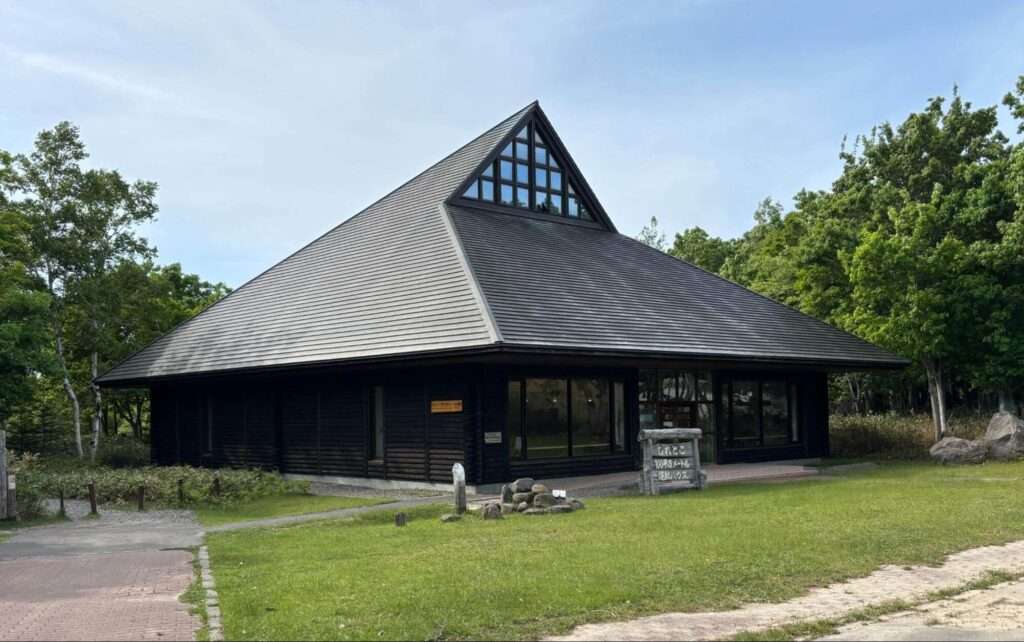
As soon as you step inside the building, numerous slender pillars stand in rows. Upon closer inspection, these pillars are densely inscribed with people's names. Each pillar is accompanied by a plaque indicating a year, and the back wall, too, is entirely covered with names. On every pillar, on every wall, as far as the eye can see, all that is etched are people's names.
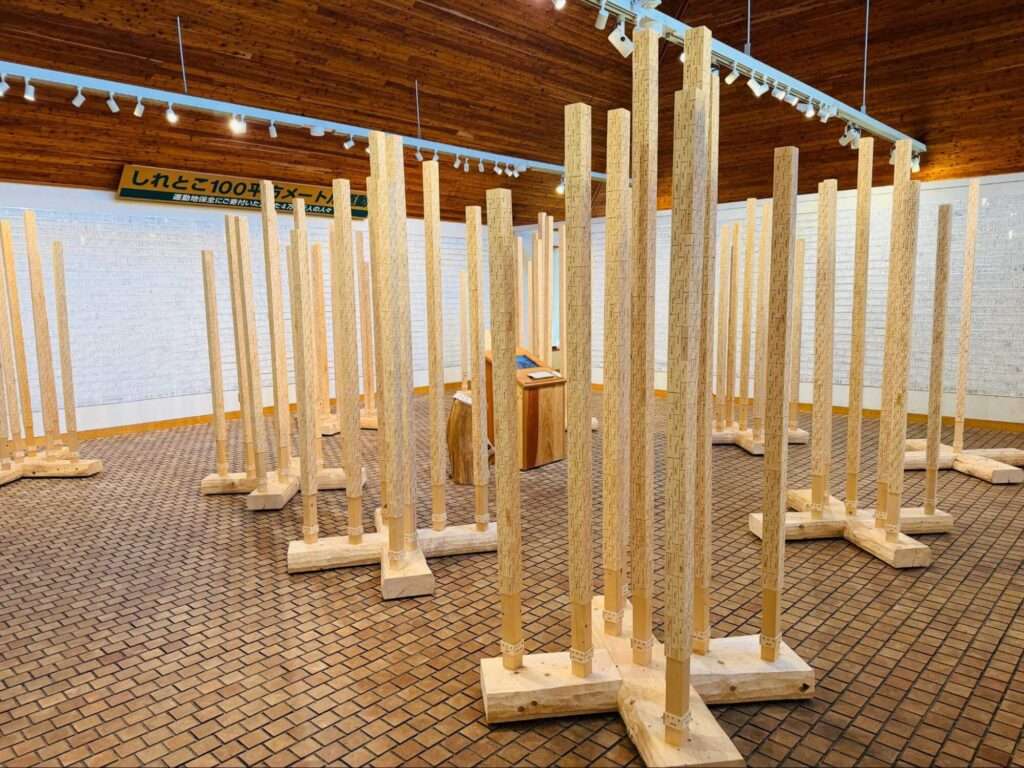
In fact, all of these are the names of people who donated to the "Shiretoko 100 Square Meter Movement." The countless names filling the room are proof of the existence of each individual who participated in Shiretoko's nature regeneration. And the area of the floor tiles is exactly 100 square meters. This is the same as the area of one donation unit when the movement started.
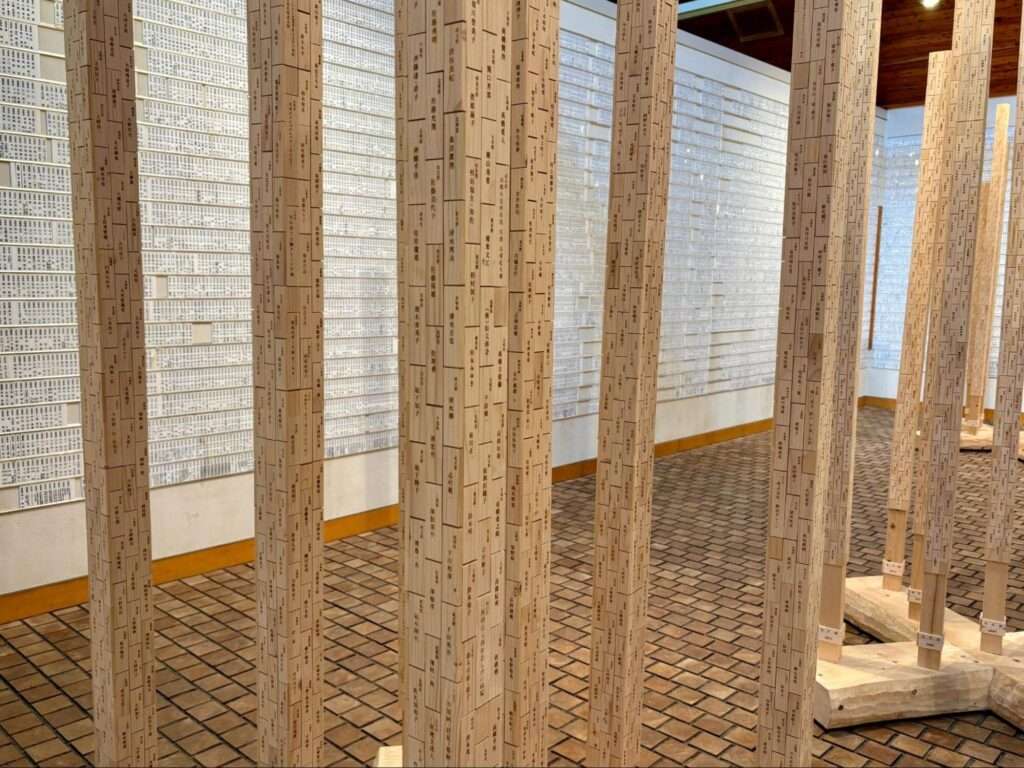
The "Shiretoko 100 Square Meter Movement" is Japan's first forest conservation national trust movement, launched by Shari Town to protect former pioneer lands that were threatened by reckless development. As of May 2026, 74,738 people have participated, with some even traveling all the way to Shiretoko to find the wooden tag bearing their name.
What is carved here is the pure sentiment of wanting to protect Shiretoko's nature. Why were so many people moved by this land? Behind it lay a long history of conflict over Shiretoko's land.
History of the Shiretoko 100 Square Meter Movement
Shari Town has consistently upheld "Seeking Harmony Between Greenery and Humanity" as its basic town development philosophy from 1971 to the present day. This is the idea that "the town's individuality lies in enhancing production, life, and culture under the blessings of nature, and continuously seeking harmony in that."
latest7th Comprehensive PlanHowever, the town is proud of being an "environmental municipality and World Natural Heritage site" and has set "a town where we can continue to live with nature" as its basic goal.
The initiative that best embodies this philosophy is the "Shiretoko 100 Square Meter Movement," which began in 1977. In the Iwaobetsu area of the Shiretoko Peninsula, agricultural development had been promoted from the Taisho era through the post-war period, but successive farmers left due to harsh natural conditions. However, in 1964, when Shiretoko was designated as the 22nd national park in Japan, its value as a tourist destination dramatically increased.
These days, Japan is in the midst of a land speculation boom due to the "Land Reconstruction Theory," and a development site within a national park, where protection regulations were lax, is being successively acquired by real estate companies from within and outside Hokkaido. The area amounts to approximately 100 hectares, and the danger of indiscriminate development was imminent.
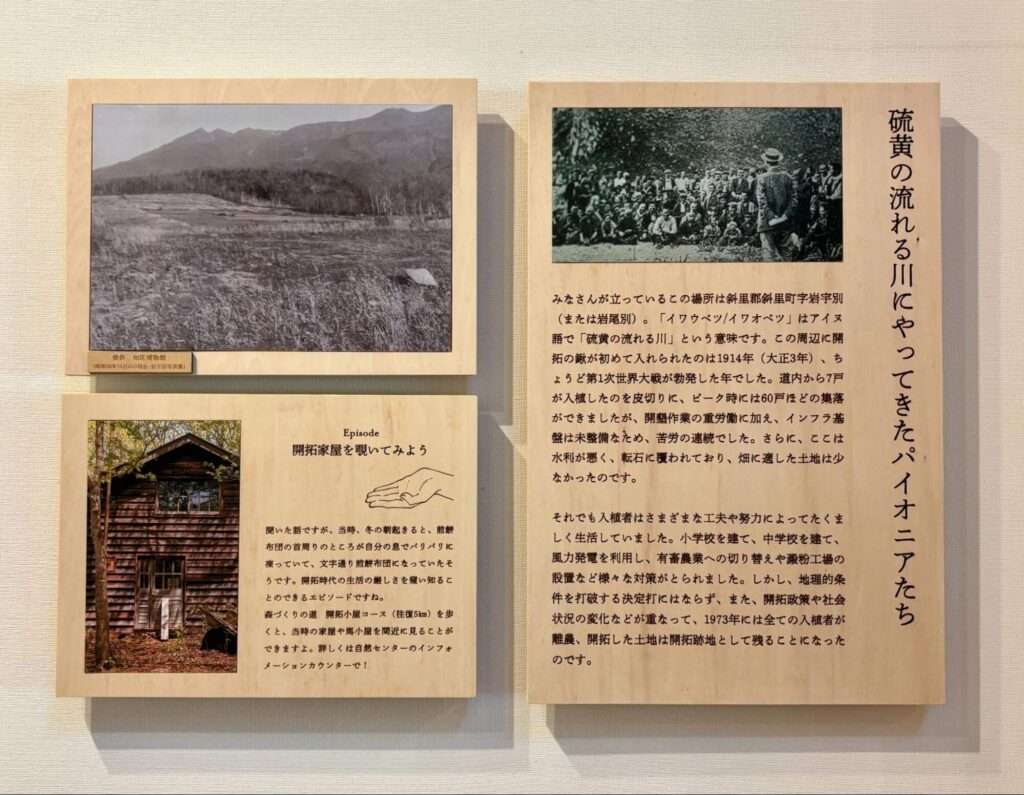
Shari Town requested that the national and Hokkaido governments purchase the land, but due to the regulations at the time concerning the park zone designation (Type 3 Special District), it was not eligible for the system, leaving them in a deadlock. On the other hand, a petition was submitted from settlers who had protected their land without selling it to real estate agents, requesting that "the town council purchase it all at once."
Seeing that national and prefectural support was unlikely, yet unable to abandon the local community's wishes, the town of Shari took the initiative, thinking, "In that case, we must purchase it with our own hands." This led to the "Shiretoko 100 Square Meter Movement."
Inspired by the National Trust movement in Britain, which he learned about through a newspaper column, the mayor at the time launched a nationwide fundraising campaign with the slogan, "Won't you buy a dream in Shiretoko?" The campaign solicited donations at a rate of 8,000 yen per 100 square meters. This initiative ultimately became Japan's first National Trust movement led by a local government.
Over the following 20 years, the movement raised a total of approximately 520 million yen from over 49,000 people nationwide, securing about 860 hectares of reclaimed land. In 2010, the full purchase of all protected land was completed.
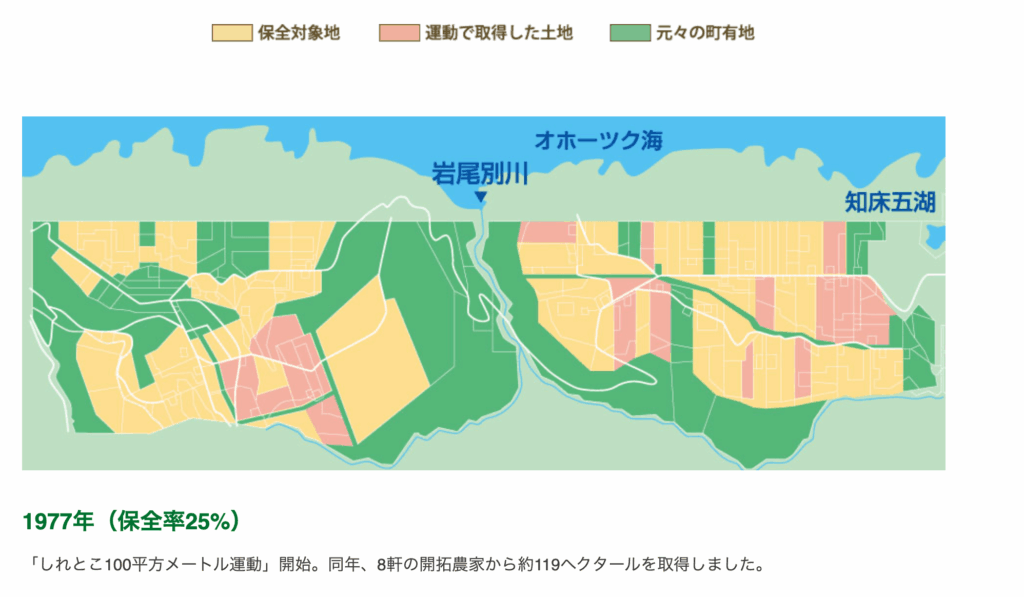
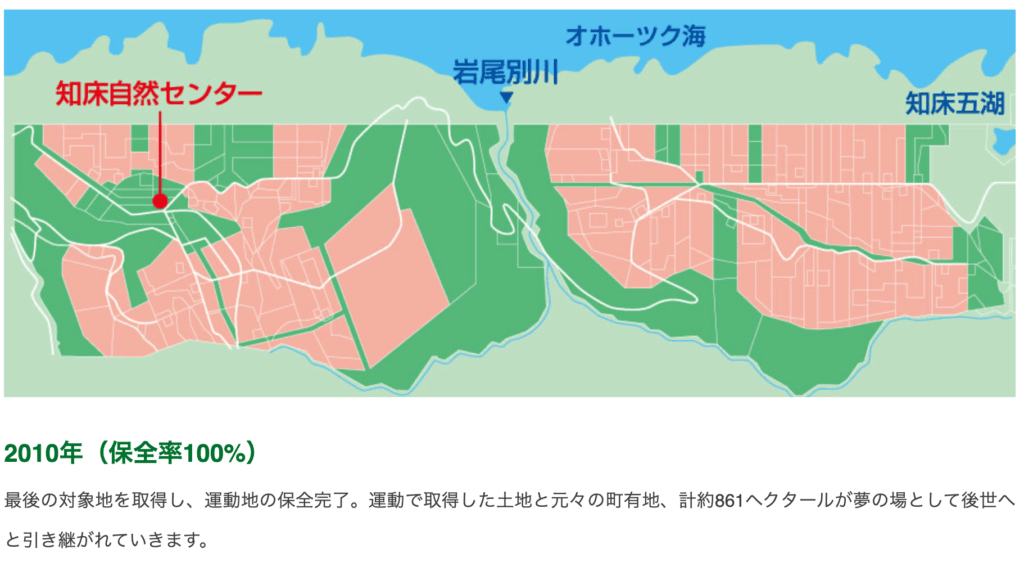
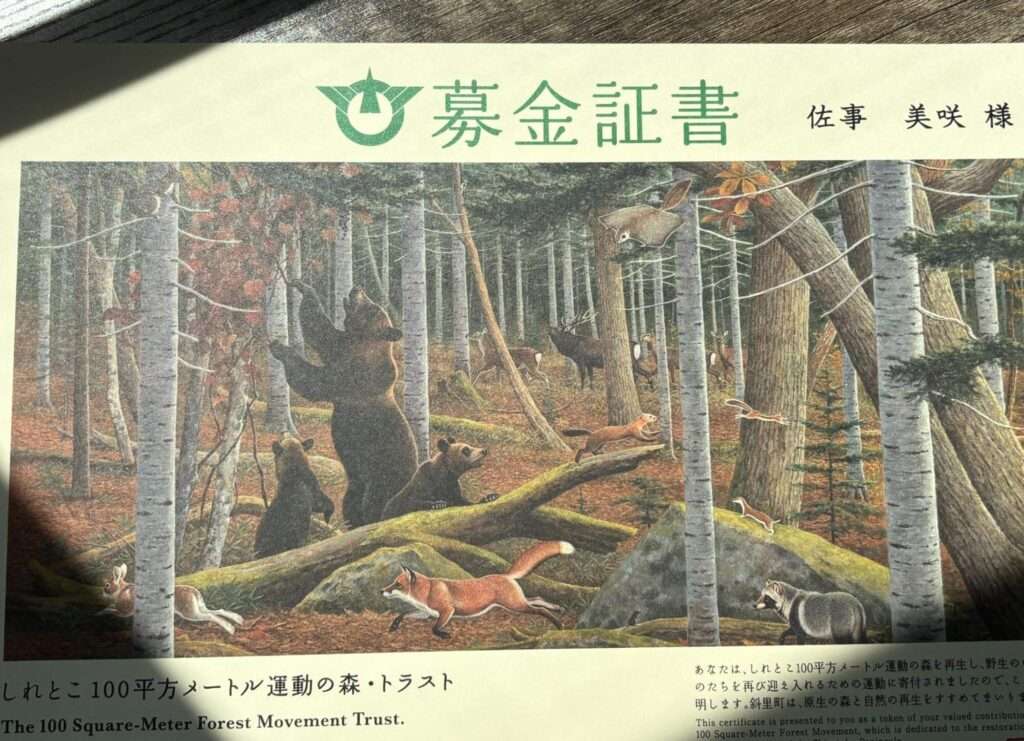
Notably, the only reward for this movement was a "donation certificate." It was purely the desire to "protect Shiretoko" that continued to draw so many people.
Forestry, an unending endeavor
The notable aspect of the Shiretoko 100-Square-Meter Movement is that it did not conclude with the ultimate goal of "purchasing land." In 1997, marking its 20th anniversary, the movement evolved into its second stage, the "Shiretoko 100-Square-Meter Movement Forest Trust."
This marked a shift to three core pillars: "forest restoration" to bring back the forests that once stood on the purchased land, "biodiversity restoration" to re-establish the lives of the creatures that once inhabited it, and "public access for advocacy" to communicate these efforts to many people. Thus, the movement deepened from the stage of protecting the land to the stage of restoring the primeval forest and the circulation of the ecosystem.
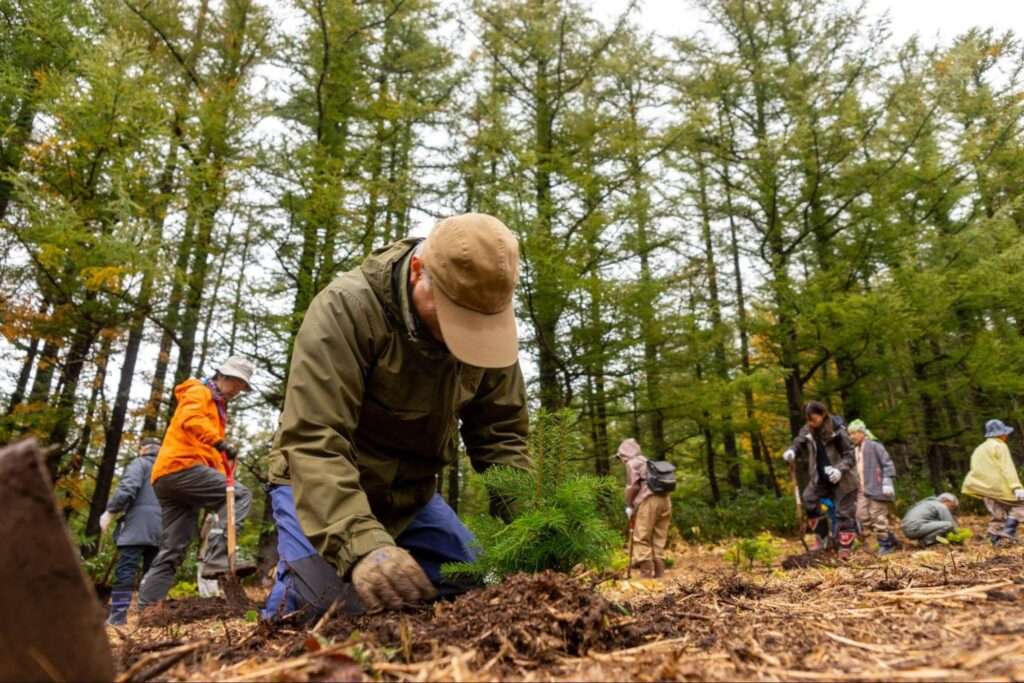
This forestation project is a much more mundane and lengthy undertaking than one might imagine. The plan is meticulously structured in three tiers: long-term goals spanning 100-200 years, mid-term plans every 20 years, and rotational work to cover approximately 861 hectares over five-year cycles.
This plan, which far exceeds human lifespans, has immutable principles, referred to as the "Forest Constitution," passed down through generations. For example, principles such as not converting lumber from managed forests into economic profit but returning it all to the soil to circulate within the forest. Another principle involves recognizing that "human intervention, even with good intentions, can hinder forest regeneration" in secondary forests that are recovering on their own, and therefore, limiting intervention as much as possible.
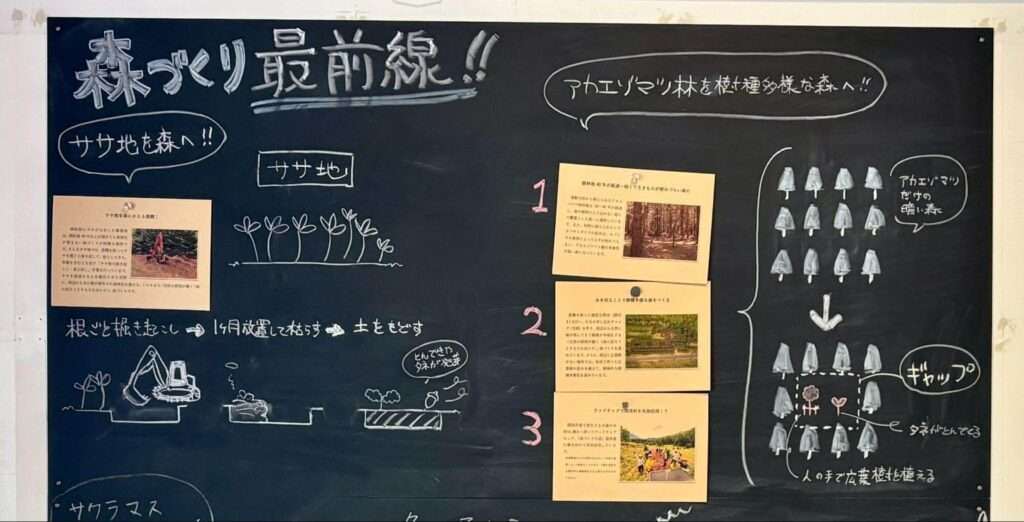
You might think that if we can reclaim land that was once cultivated, we can just leave it alone and it will return to forest. But the reality is harsh. After farmers leave, the abandoned land becomes covered in bamboo grass and weeds, and the strong winds blowing down from the Shiretoko mountain range hinder forest regeneration. Even saplings that manage to sprout are eaten by the overpopulation of Ezo deer.
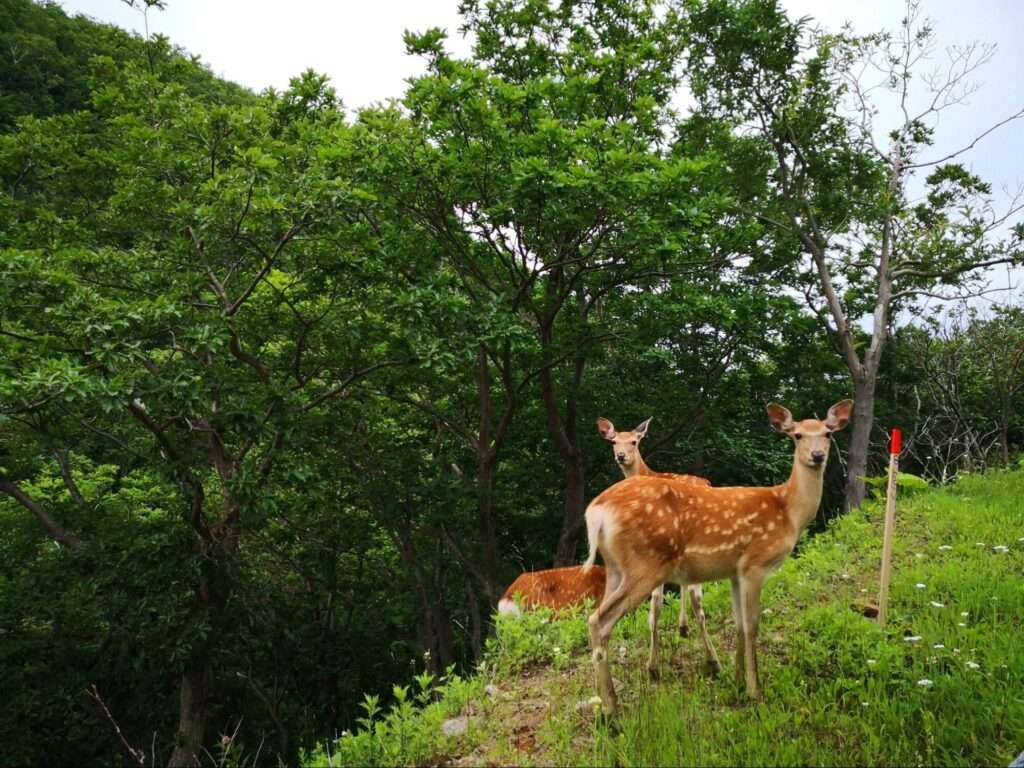
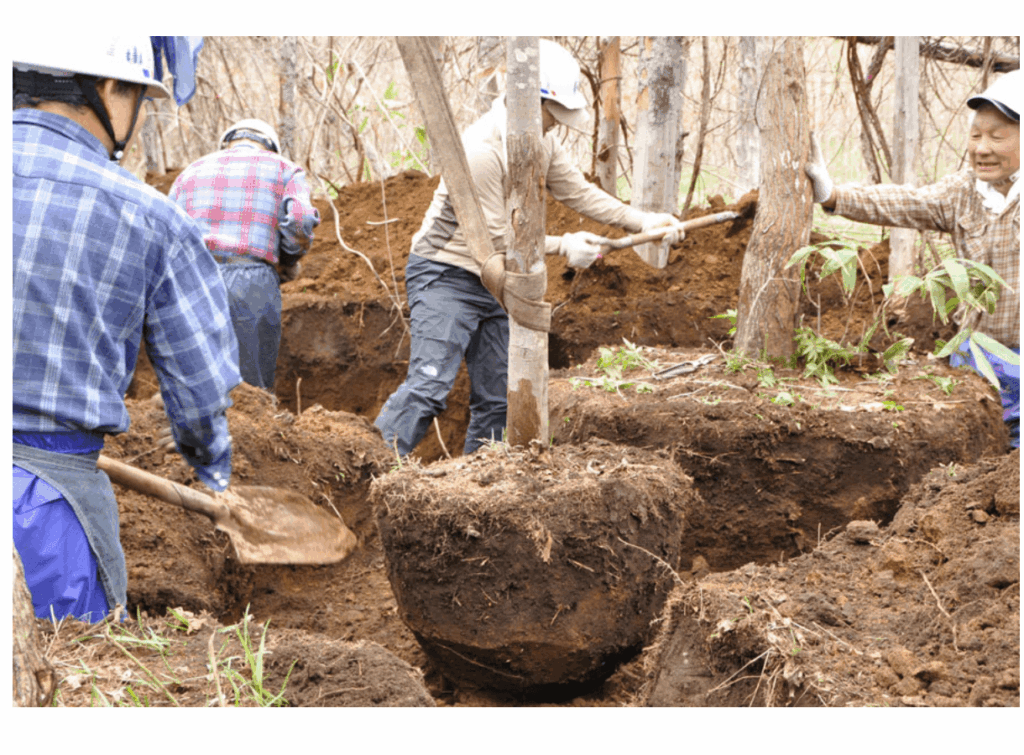
This is why forest creation is essentially a cumulative process of "care to draw out nature's power." Deer fences are erected to enclose the land, and the broadleaf tree saplings planted are carefully wrapped in protective netting. Then, dense Yezo spruce forests that no longer allow sunlight to penetrate are thinned, letting light into the closed forest floor.
Current forestation efforts are moving beyond simple conifer forests and are striving to create "mixed conifer-deciduous forests" with a variety of tree species such as *Pterocarya rhoifolia* and *Ulmus davidiana* var. *japonica*.
This forest's development took a significant turn with its registration as a World Natural Heritage site in 2005. In response to the sika deer that had long ravaged the forest, population control measures (culling) aimed at preserving the heritage site's vegetation began in earnest in 2012. Thanks to these efforts, from around 2014, small trees and wildflowers that had once disappeared began to flourish again outside the deer fences.
However, behind this achievement lies a grave contradiction: "taking lives in the name of environmental protection." Some may feel resistance to culling animals. Nevertheless, this population management is unavoidable.
The rapid increase in Ezo deer is a problem across Hokkaido, and agricultural damage to local farmers is extremely serious. Seedlings that have just been planted are eaten one after another, and even with desperate defenses such as electric fences, it's impossible to keep up, and the reality is that heavy financial losses are incurred every year.
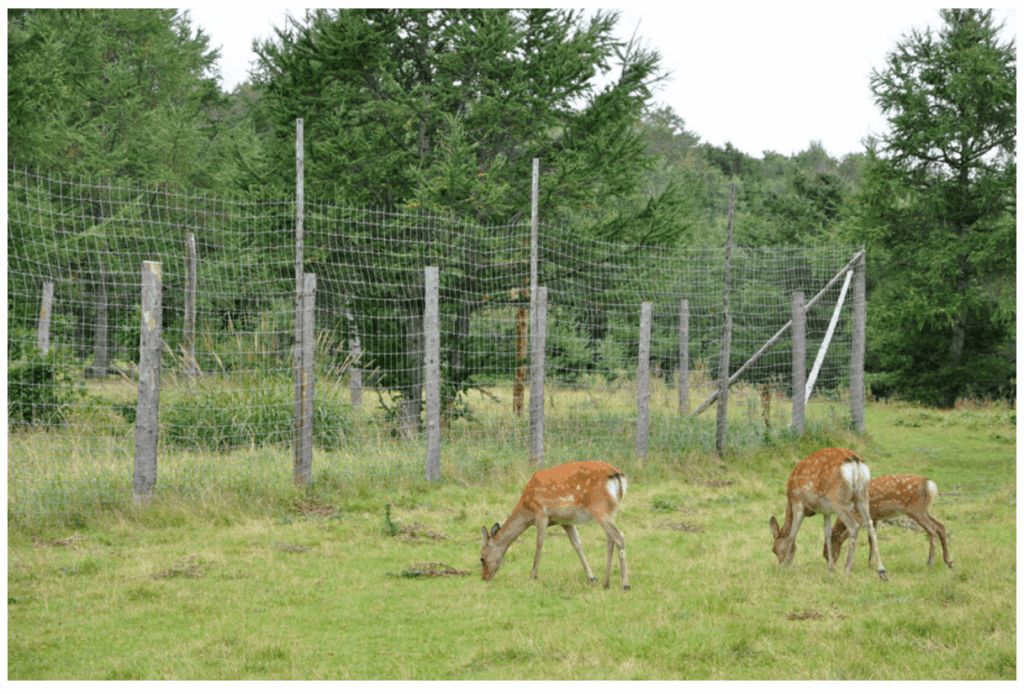
This is also true for forest regeneration, where an overpopulation of deer eat newly planted saplings one after another, devastating vegetation by gnawing on specific tree bark and young trees, and destroying it from the root. Working backward from the goal of protecting the livelihoods of local communities, let alone the original forest, the difficult decision to take lives becomes an absolute prerequisite for natural recovery.
Restoration is not about unconditionally protecting everything. It's about deciding what to preserve, what to intervene with, and where to draw the line. Forest management in Shiretoko is a continuous process of confronting that reality with resolve.
Based on the "20-Year Mid-Term Plan," the steady progress that began in 1997 has reached a milestone, and in 2018, the "Second Medium-Term PlanThe baton was passed on. The theme for the new 20 years was set as "Forest, River, People." It is a grand all-out war to cultivate trees, enhance forest biodiversity, restore river ecosystems that connect to the sea, and pass it on to the next generation of "people."
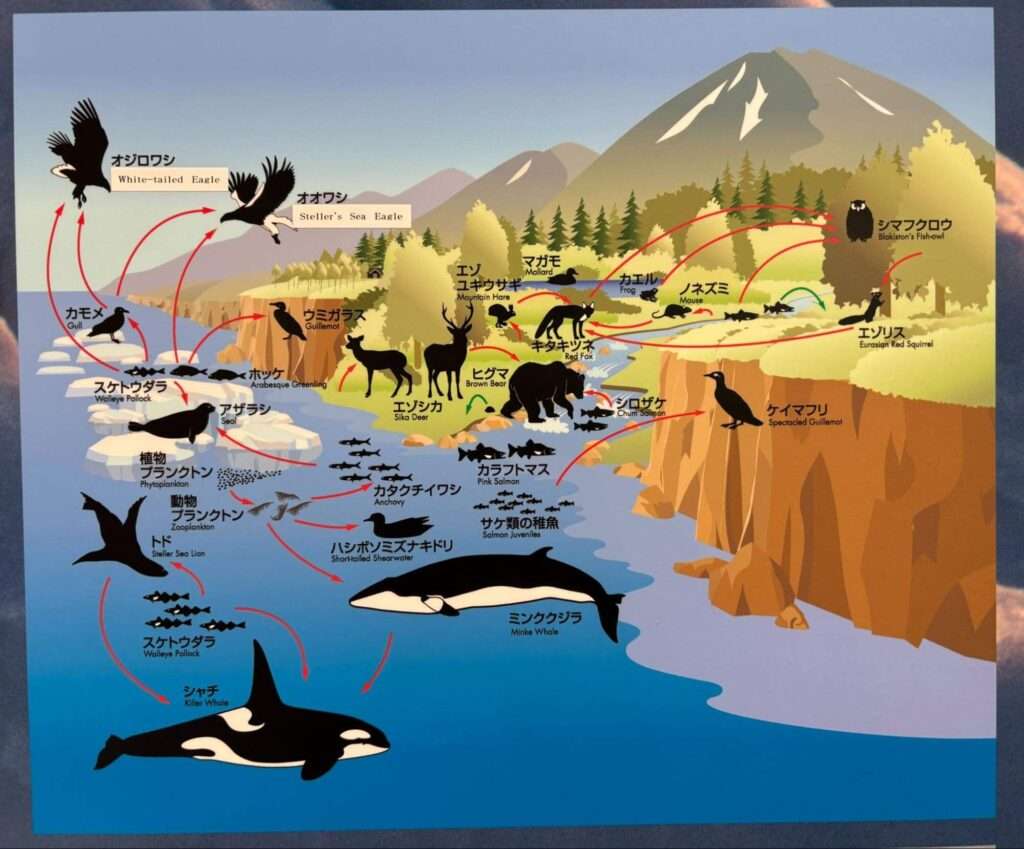
Nutrients nurtured by the forest flow through rivers to the sea. Salmon and trout that grow there then travel upstream to rivers, providing sustenance for wildlife such as brown bears. This sense of unity between the sea and the forest is the true essence of Shiretoko.
Sakura trout, which once disappeared from Shiretoko's rivers and was designated a Class 1 target species for restoration, had a return count that remained in the single digits for a long time even after stocking began. However, spurred by its inscription as a World Heritage site in 2005, improvements were made to five river structures, including dams on tributaries, partially enhancing the upstream migration environment.
Following the resumption of stocking and diligent monitoring, in 2017, a preliminary observation confirmed a return of 15 fish, surpassing 10 for the first time. Experts have pointed out the possibility of about 100 fish migrating upstream throughout the entire river basin, and that genetic traits suitable for the river are gradually being established.
Essential for powerfully supporting and connecting these "forests" and "rivers" to the future is "people." The Shiretoko 100-Square-Meter Movement not only collects funds but also has a system in place that allows supporters to directly get their hands dirty in Shiretoko.
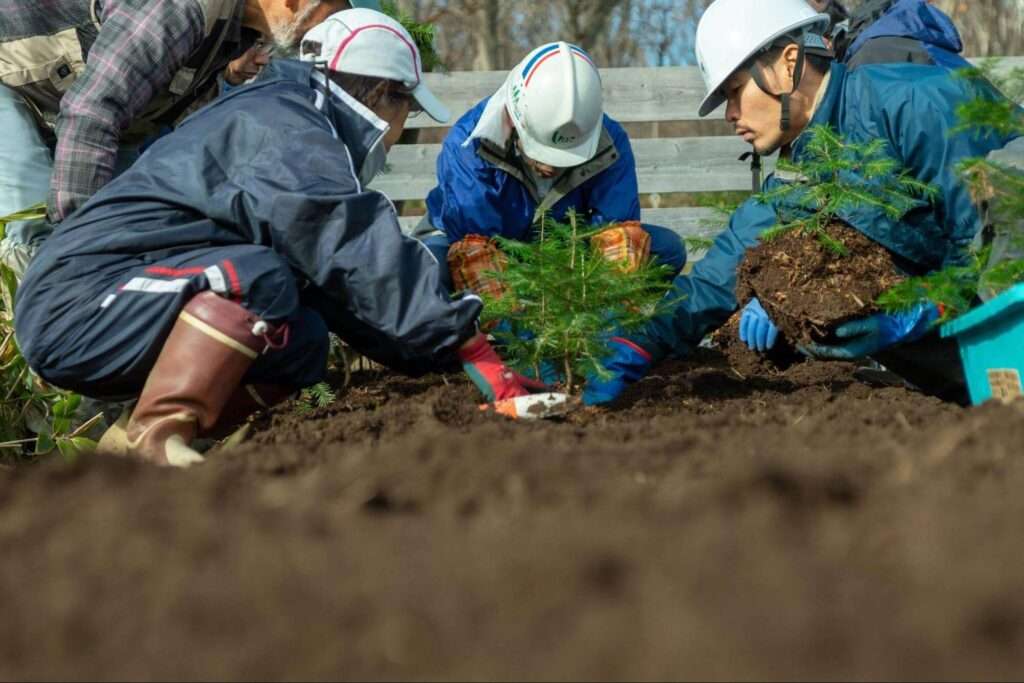
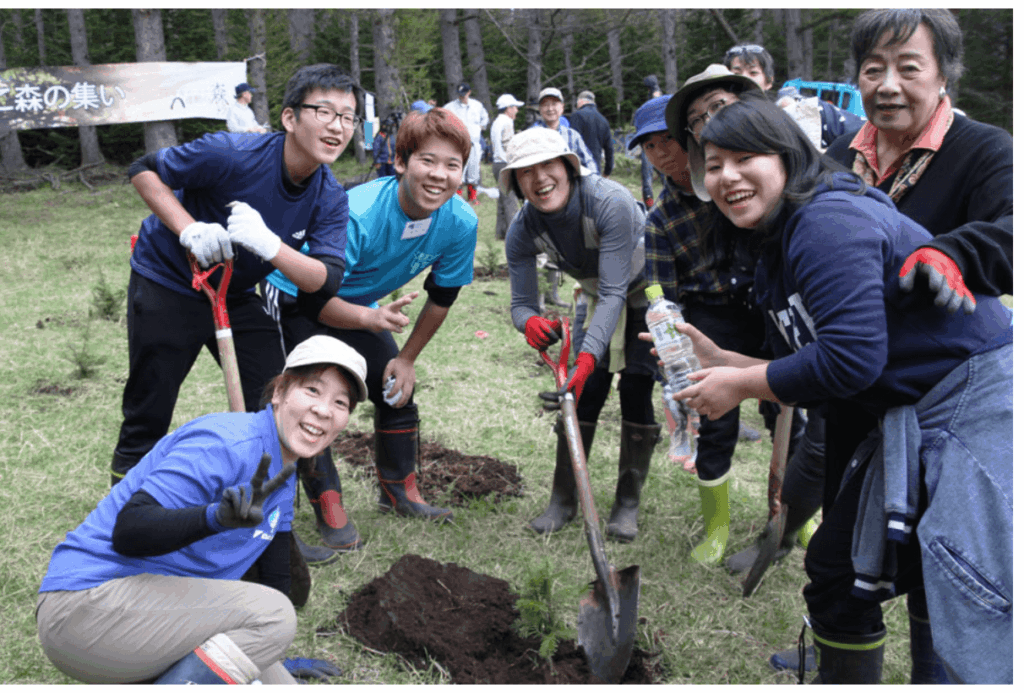
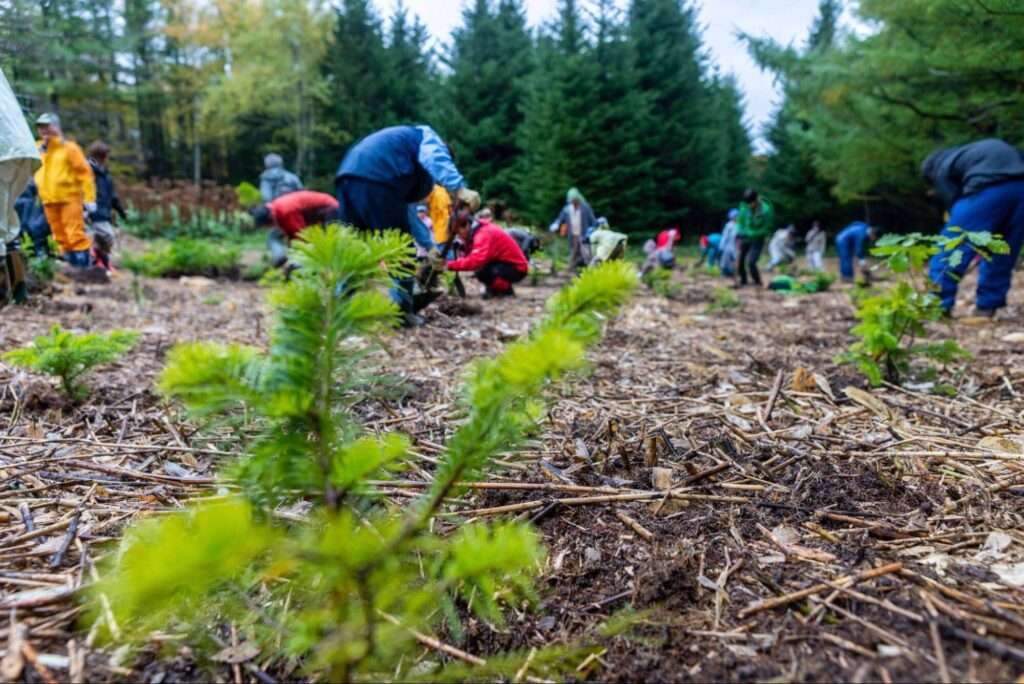
Every autumn, at the "Shiretoko Forest Gathering (Tree Planting Festival)," donors and local residents plant over a hundred deciduous and coniferous trees together. Additionally, at the "Forest Creation Work Camp," held twice a year, participants from all over the country spend five days and four nights living and working together, diligently transplanting saplings and installing deer fences.
After a day's work, the hot springs and meals shared together are exceptional, serving as a valuable time to deepen participants' bonds. The trees they planted with their own hands, touching the earth and praying as they did so, will take root strongly as the foundation of a future forest.
Furthermore, as a legacy for the next generation, the "Shiretoko Nature School" is also held. Elementary, middle, and high school students from all over the country experience a 6-night, 7-day outdoor camp in an environment without electricity, gas, or running water. The memories of that summer, where they learned the harshness of nature amidst overwhelming inconvenience and experienced forest conservation firsthand, are deeply etched as a driving force for the next generation supporting conservation efforts.
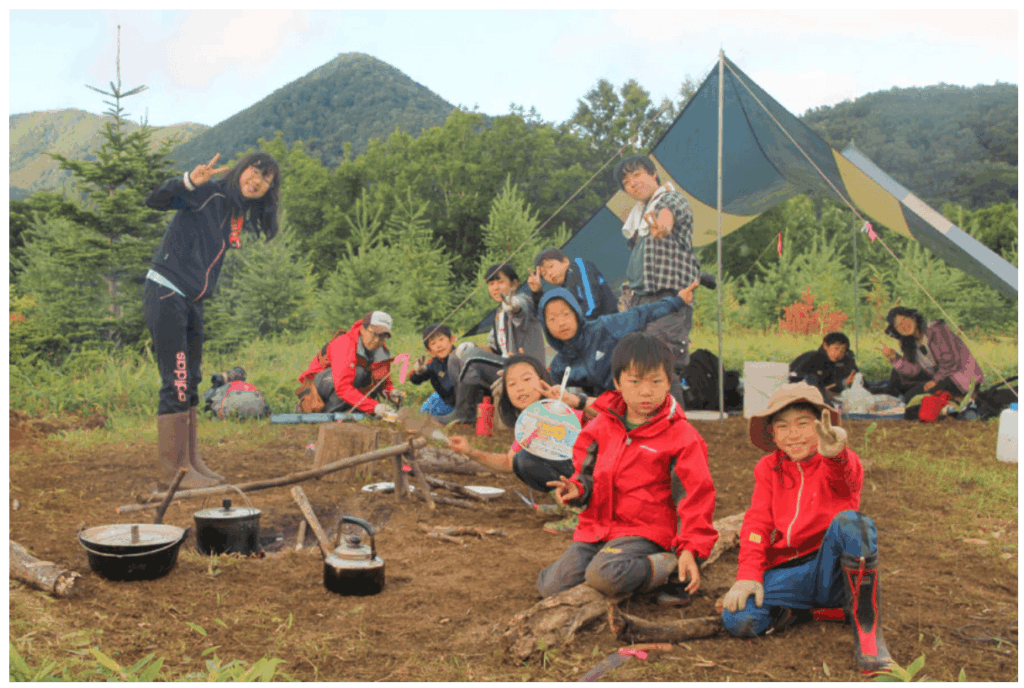
Because it's a town supported by nature, we face it seriously.
Tremendous passion and energy poured into natural regeneration. Why is Shari Town so serious about protecting nature? The answer lies in Shari Town's very operations. Looking at the town's industrial structure, you can see how much this town is supported by nature's ecosystem.
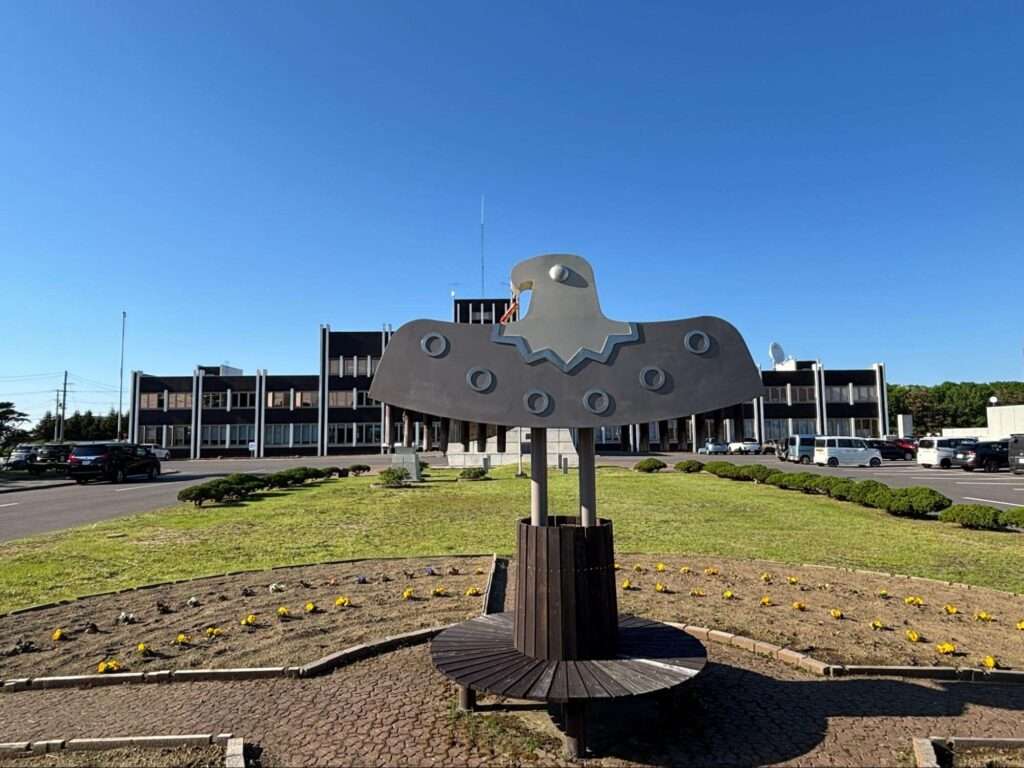
According to the 7th Comprehensive Plan, agricultural production value has exceeded 12 billion yen in recent years, and tourism consumption value is expected to grow from approximately 7.3 billion yen to 12 billion yen in the future. Kyosuke Murata of the Living Environment Section, Environmental Affairs Division, General Affairs Department of Shari Town, explained, "It is rare for a town where agriculture, fisheries, and tourism each stand at a scale of about 10 billion yen, with these three pillars almost on par."
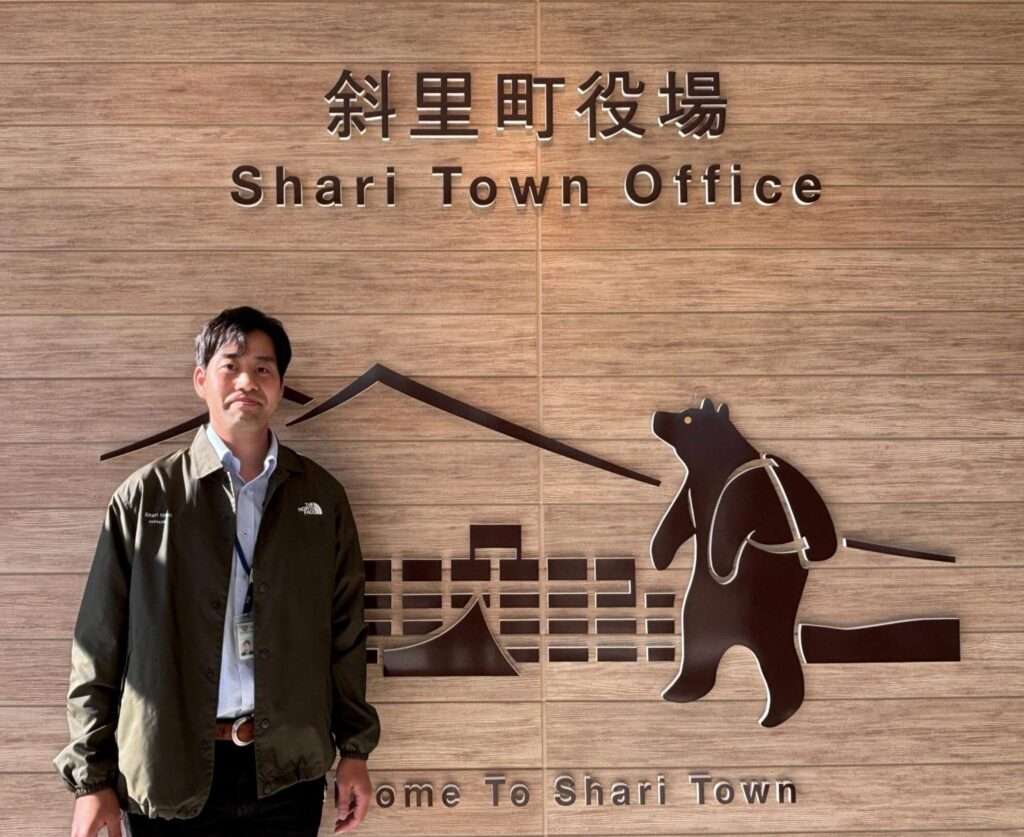
Both those involved in primary industries and tourism businesses alike say in unison, "We are the ones who fully enjoy the blessings of Shiretoko's nature." This sense of being sustained by the natural environment is shared across all occupations and throughout the entire town.
だからこそ、観光と環境保全の両立は容易ではない。たくさんの人に来てほしいが、施設のキャパシティを広げれば、それだけ自然に負荷がかかる。そこで町が出した答えは、単なる来訪者数(量)を追うのではなく、来た人に「何を持ち帰ってもらうか(質)」を追求することだった。
しれとこ100平方メートル運動での植樹に参加してもらう。クマと人間の境界線を守る活動「クマ活」に加わってもらう。消費するだけの観光から、学びを持ち帰る観光へ。「世界遺産を抱えているからこそ、伝えられるものがある」という確信が、その根底にある。
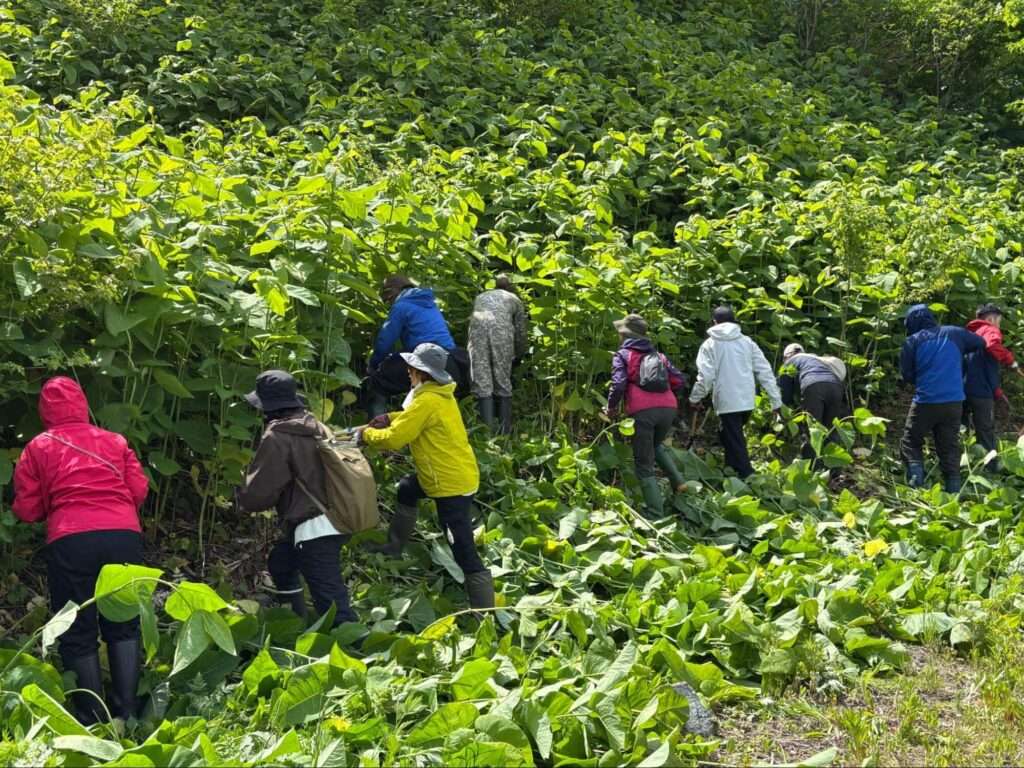
知床に来ないと体験できない「唯一無二の学び」を広めることが、町の強みになると考えています。
経済的な逆風により、観光需要が変化する局面においても「それでも知床には足を運ぶ価値がある」と、選ばれ続ける存在であることが重要です。
同時に、斜里に暮らす人々の生活環境を尊重し、単なる「消費型観光」に陥らない持続可能な地域づくりを推進します。
観光客に良質な学びを持ち帰ってもらうためには、現場の厳格な運用ルールと安全管理が欠かせない。年間約35万人が訪れる知床五湖では、2011年から「利用調整地区制度」を導入し、ヒグマの活動期には所定の研修を経た「登録引率者(ガイド)」の同行を義務付けている。
クマが何メートル先にいて、どちらへ動いているかを見極め、状況によっては後退してセンターと連絡を取り、進退を判断する。「事故だけは絶対に起こしたくない」という一念のもと、認定がなければ案内できない仕組みを作った。
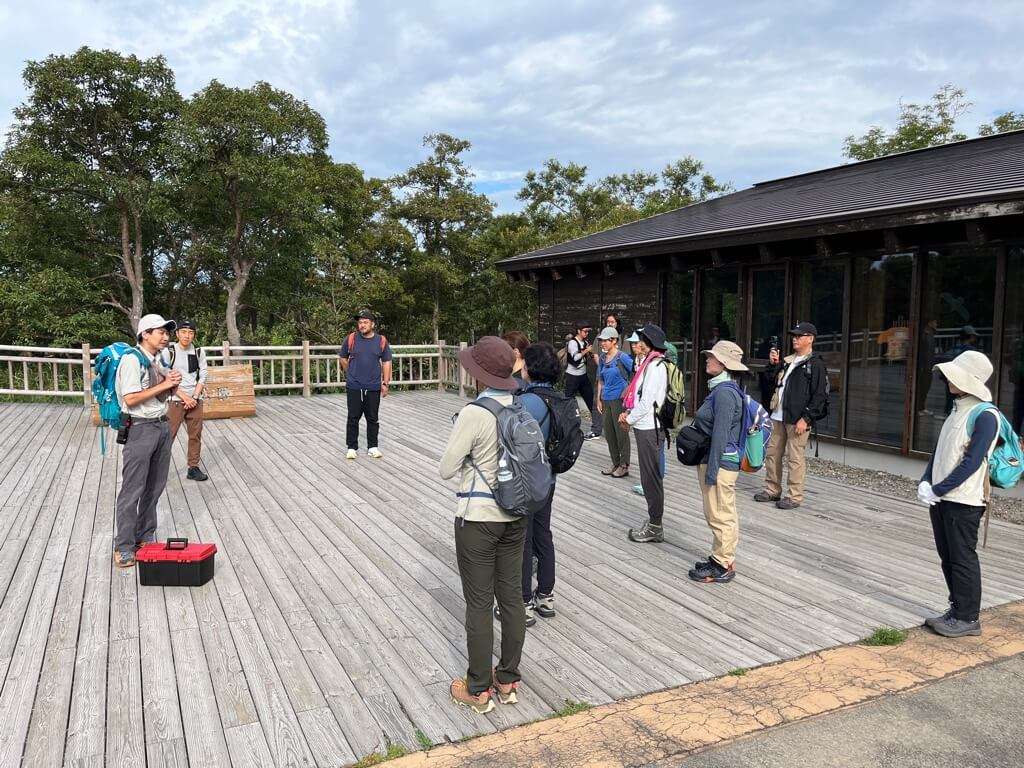
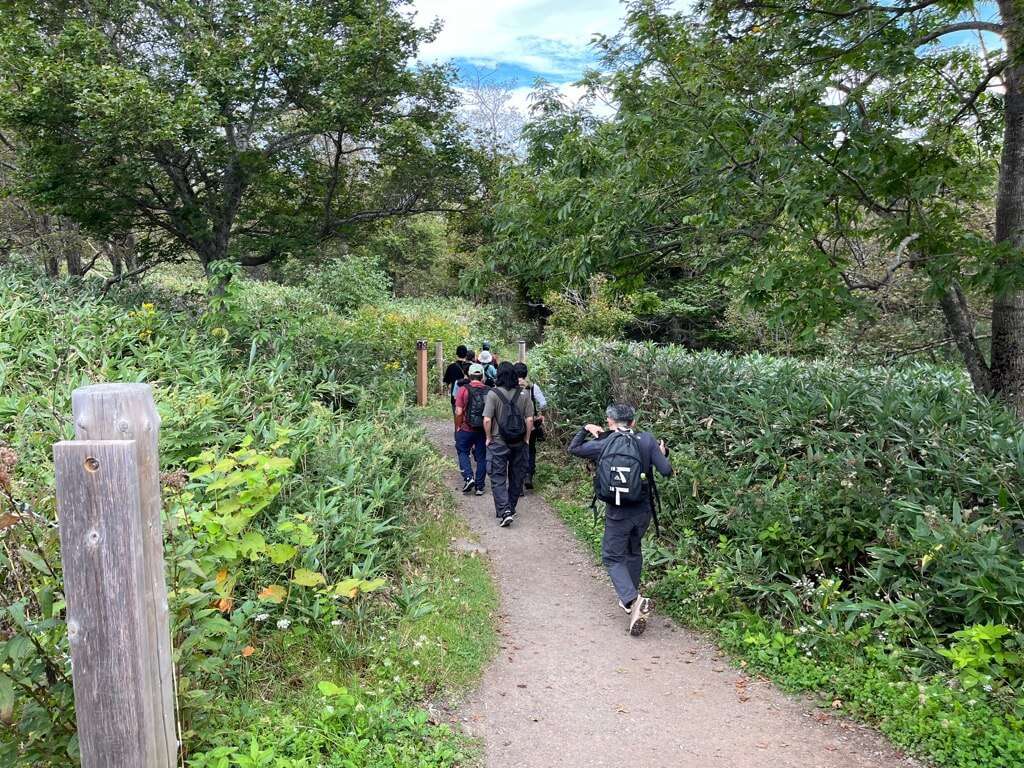
こうしたルールの運用は、町単独で行われているわけではない。世界遺産地域は環境省、山や土地は林野庁や町有地と、権利関係は複雑に入り組んでいる。ヒグマの管理計画一つをとっても、どこか一つの機関が方針を押し通すのではなく、各団体が地道な話し合いを重ねて作り上げている。
2025年8月に羅臼岳で起きたヒグマによる死亡事故を受け、環境省が管理計画の改定と対策強化の方針を示したように、専門性の担保と関係機関の絶え間ない連携が、良質な自然体験の基盤となっている。
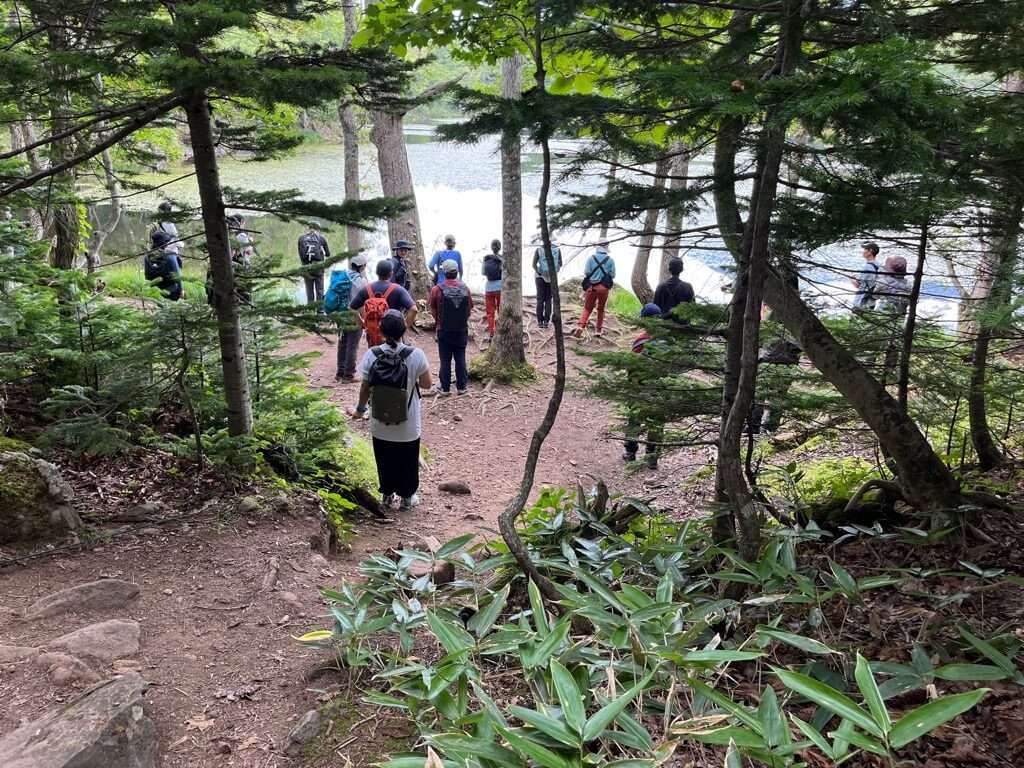
人と野生動物との境界管理は、観光の現場にとどまらず、住民の生活圏にも及んでいる。過去には、ポイ捨てされたごみや、昔ながらの魚の天日干しがヒグマを人里へ引き寄せ、結果として、そのヒグマを処分せざるを得ない悲劇を生んだ。現在ウトロ地域では、人間の生活圏を電気柵で囲い、物理的な境界線を明確に引いている。
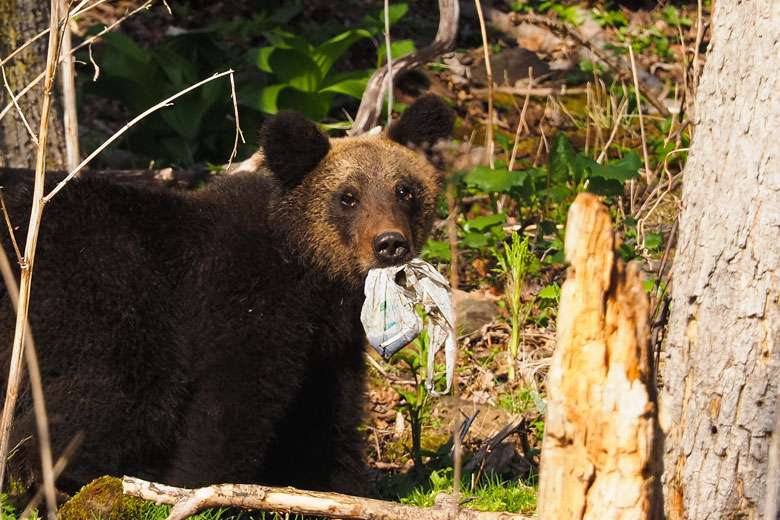
観光地と生活圏の間には、目立たない摩擦もある。ホテルなどから出る事業系のごみは、一般廃棄物として町の処理場に入るため、処理費用には町民の税金が投入される。そのごみも、観光客が必ずしも分別ルールを熟知しているわけではない。
それでも町が持ちこたえられているのは、住民コミュニティの厚さゆえだ。小中学校の環境教育で育った若い世代や、知床の自然に憧れて移住してきた人々には、高い環境保全意識が根付いている。
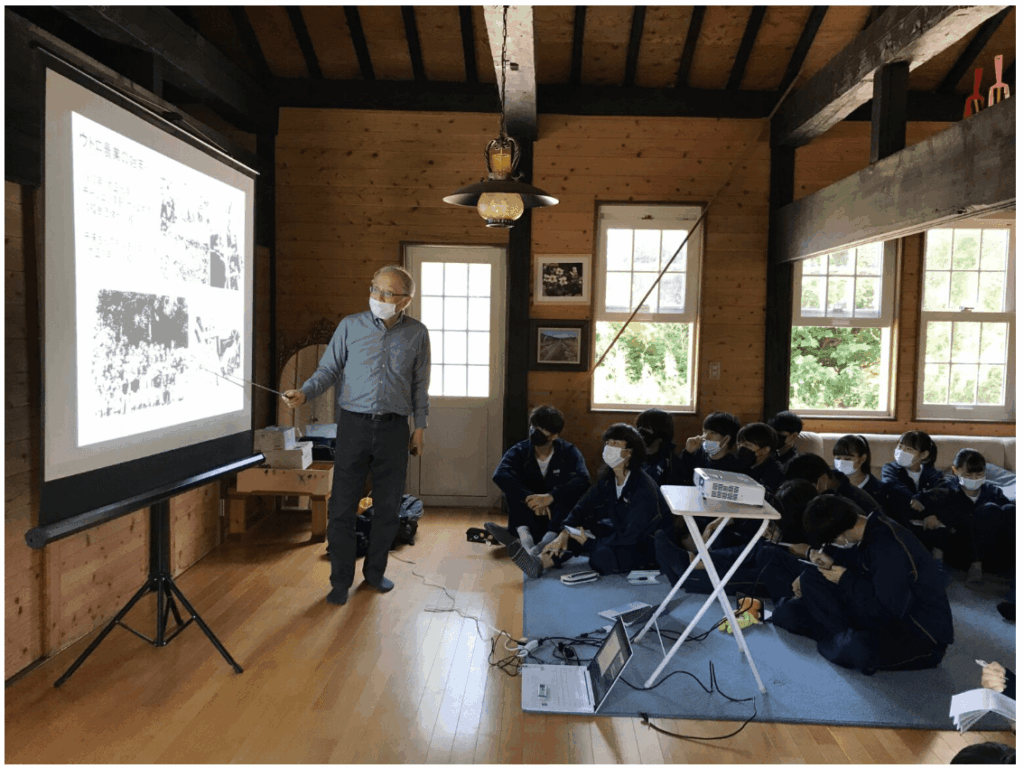
画像出典:公益財団法人 知床自然アカデミー
さらに斜里町では、「世界遺産の街として一般的なごみ処理ではダメだろう」という誇りのもと、2012年頃からごみを焼却せず「燃料化」する先進的な処理を続けている。村田さんによると、一般的な自治体のリサイクル率(約30%)をはるかに超え、60〜70%を実現しているそうだ。
しかし近年、住民の地道な努力だけでは抗えない脅威が迫っている。気候変動による「海の変化」だ。かつて15年連続でサケ漁獲量日本一を誇った斜里町だが、近年はサケが激減し、カラフトマスに至っては絶滅を疑うほど姿を消した。代わりにブリなどの暖海性の魚が入り込む現状に、村田さんは危機感を募らせる。
海水温の1度上昇は、気温の10度上昇に匹敵するほど海洋生物に甚大な打撃を与える。頼みの綱であるサケの孵化事業も、親魚不足で受精卵の確保すらままならない状態だ。森づくりが100年の時間をかけて進む一方で、海の変化は人間の都合を待ってはくれない。
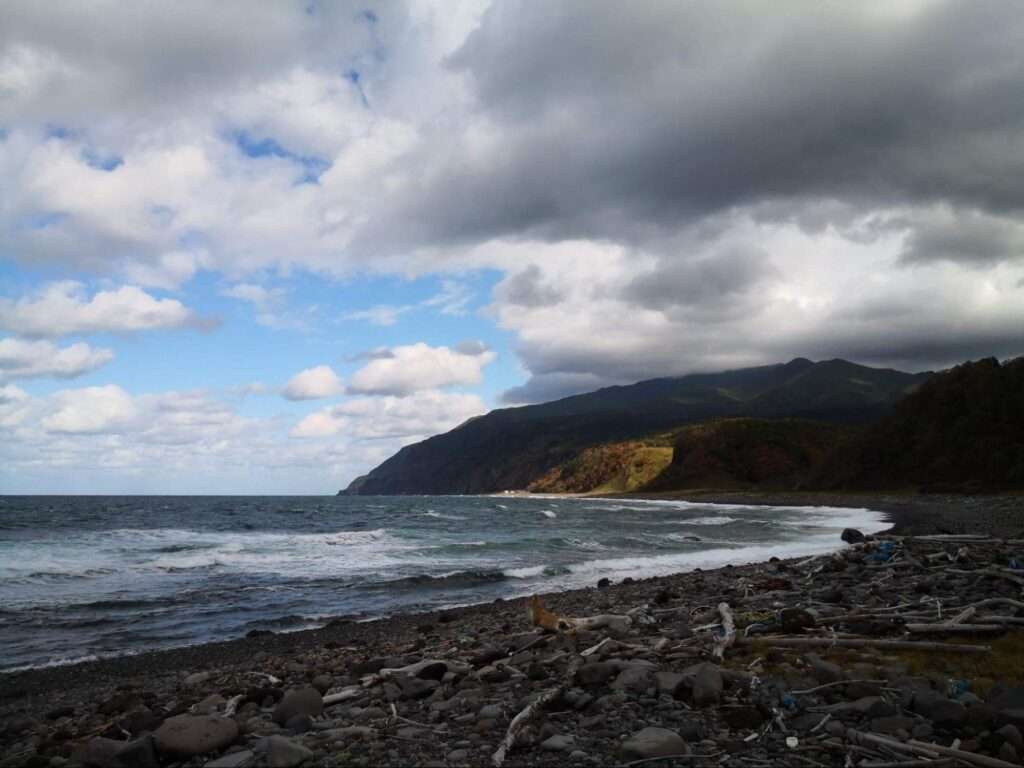
また、気候変動とは異なる「新たな脅威」も迫っている。顔の見えない外資企業が森や水源を買い占め、メガソーラーを建設する乱開発問題が、釧路など近隣地域で顕在化しつつある。斜里にとっても決して他人事ではなく、強い危機感を持って注視している課題だ。
他にも、観光の足となるレンタカーのEV化など「脱炭素」への取り組みも、充電スポットの不足や冬の厳しい寒さに阻まれ、抜本的な解決には至っていない。
知床ならではの価値を提供し、圧倒的な自然環境を守り抜く。その両立を受け入れる現場の努力は、住民の「気合」や「使命感」だけに頼っていては決して長続きしない。
この途方もない取り組みを未来へ繋ぐためには、その努力に対する正当な対価を稼げる仕組みを作り、経済的にも自立可能な枠組みを構築していくことが不可欠だ。それこそが、自然と共に生きる知床が向き合う、これからの課題である。
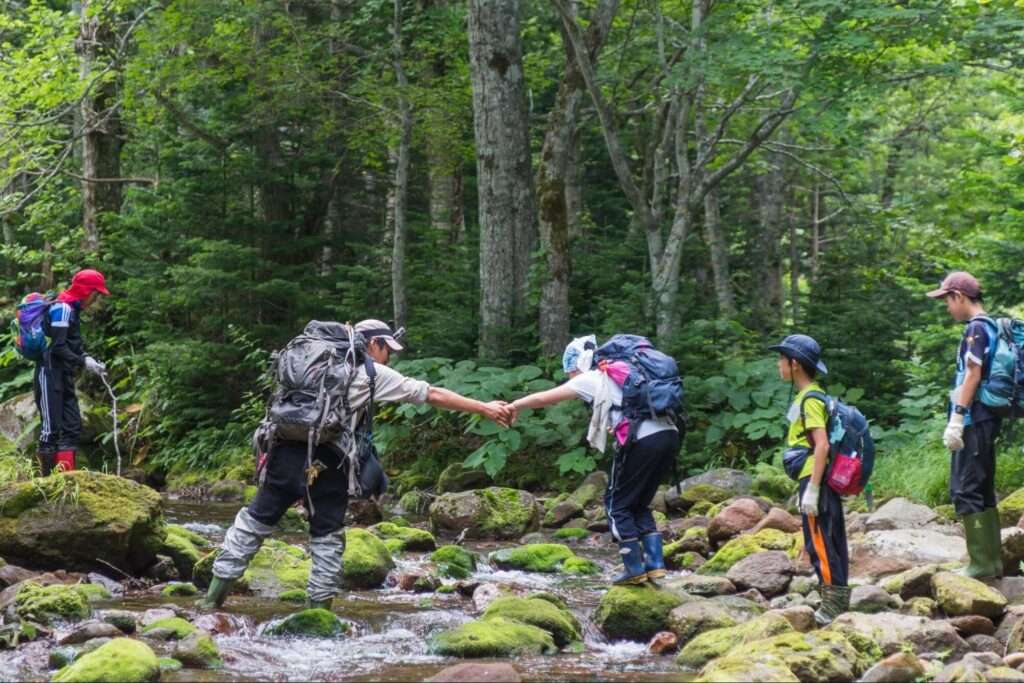
企業を「当事者」にする、研修という形の森づくり
知床の自然を守りながら、いかに経済的に自立可能な枠組みを作っていくのか。この課題に対するひとつのヒントが、「企業」との新しい関わり方にある。斜里町が進める再生の営みは、住民や観光客だけでなく、いまや企業をも「当事者」に変えつつある。
近年の企業連携の最大の特徴は、それが単なる資金的な「寄付」にとどまらず、企業側が公式に人材育成の場として位置づける「社員研修」へと深化を遂げている点にある。社員自身が現地へ足を運び、汗を流して自然と向き合うのである。
エアコンメーカーのダイキン工業は、「森は地球のエアコン」という理念のもと、2011年に斜里町・羅臼町・知床財団と協定を締結。寄付金の拠出に加え、社員ボランティアを公募で繰り返し知床へ送り込んできた。
社員たちは、初日に知床の開拓史と運動史を深く学んでから、防鹿柵づくりや植樹に臨む。彼らの支援は、河畔林の再生から河川環境の改善、さらには絶滅したカワウソの再導入調査など、生態系の根幹に関わる事業にまで及んでいる。
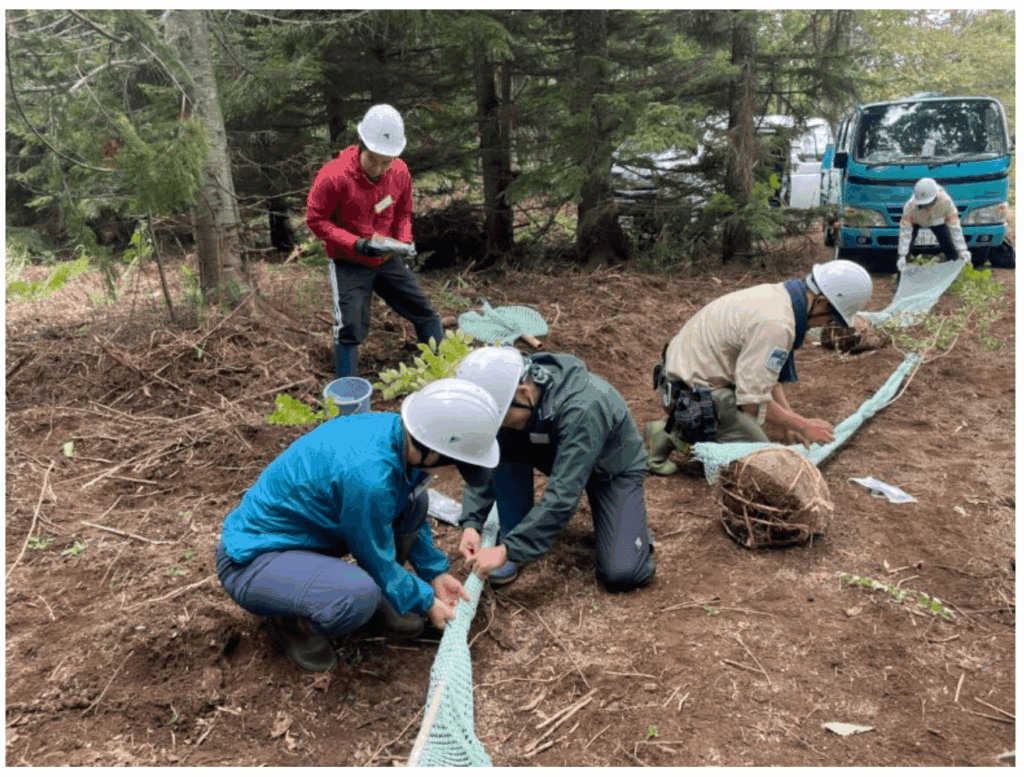
また、アウトドアブランドを擁するゴールドウインは、2019年に知床自然センター内へ「THE NORTH FACE / HELLY HANSEN 知床」の店舗を構え、2021年には斜里町と包括連携協定を結んだ。
社員やサプライヤー企業を対象に、生態系と運動史を学び、実際に運動地を歩いて広葉樹を植樹。さらには、「自社として知床のために、1年以内に何ができるか」を考えるグループワークまで行う。アウトドアという自然を舞台にする事業の責任を、現場で問い直している。
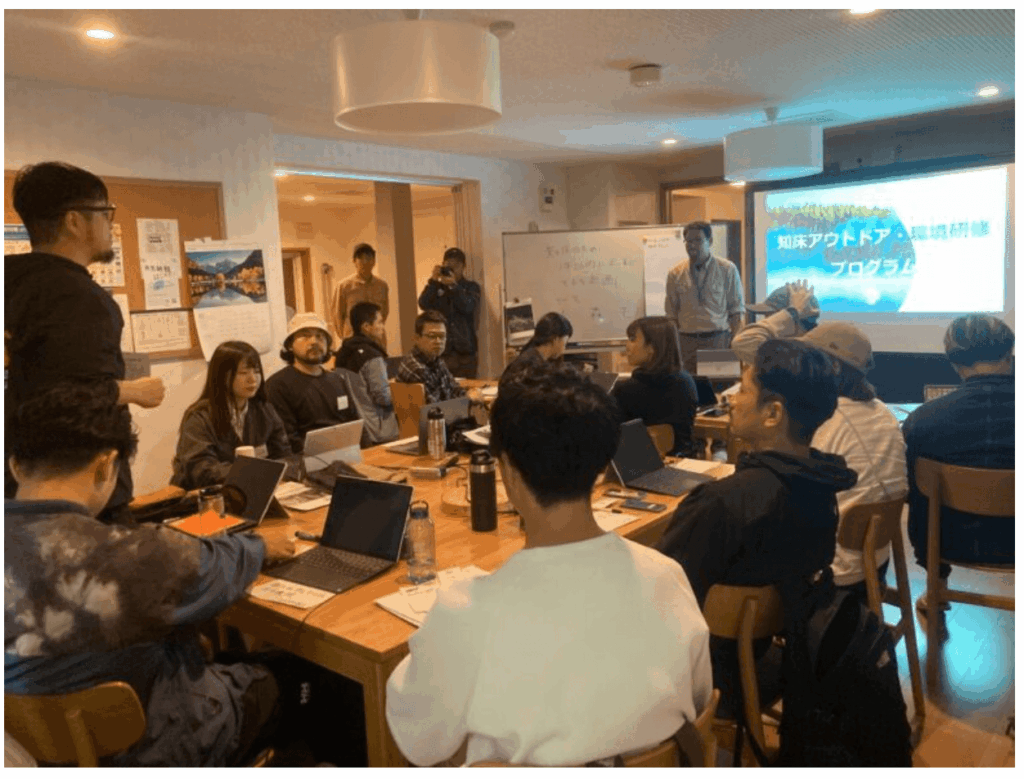
自動車メーカーのSUBARUは「一つのいのちプロジェクト」を通じて知床財団を支援。流氷をデザインしたパトロールカーを寄贈するだけでなく、本社や北海道SUBARUの社員たちが、春の森づくりに参加して植樹を体験している。
空気、アウトドア、自動車。三者三様に、自社の事業と知床の自然が決して無関係ではなく、地続きであることを、社員一人ひとりが現場で確かめている。ここで起きているのは、もはやCSRとしての単なる資金支援ではない。
防鹿柵を立て、重い苗を運び、葛藤に満ちた環境保全の現場に身体ごと向き合った社員たちは、日常に戻った後も、自分の言葉で知床の今を語り始める。その一人ひとりの語りが、新たな共感を呼んでいく。
企業にとって、知床は本質的な人材育成の舞台となる。同時に斜里町にとっては、資金支援の枠を超え、知床の未来を共に背負う「当事者」を次々と生み出す、希望に満ちた持続可能なシステムとなっているのだ。
「今、何ができるか」を問い続けること
流氷が運んでくる豊かな養分が海を育て、そこで育ったサケやマスが川を遡上して森の奥へと運ばれる。ヒグマやワシの命を繋ぎ、やがて土に還ってはまた森を肥やしていく。
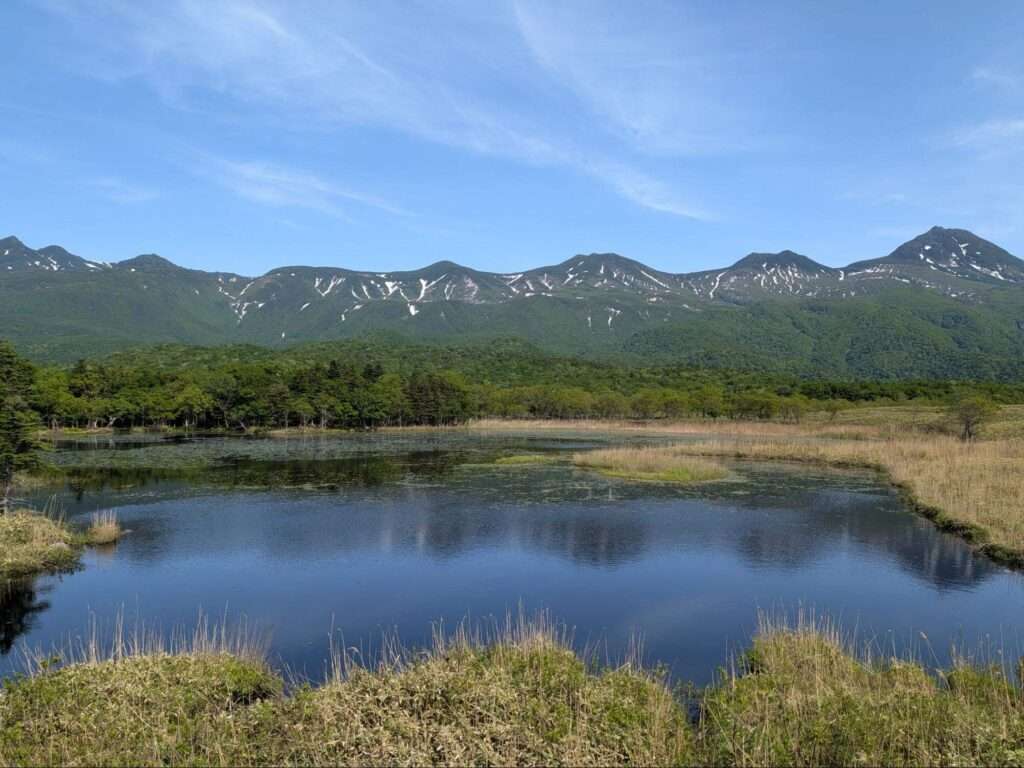
知床連山を前に立つと、海・川・森を巡るこの命の循環の壮大さと、人間のちっぽけさを否応なく思い知らされる。何万年もかけて織り上げられてきた生態系の仕組みに対して、人ひとりの一生はあまりに短い。けれども皮肉なことに、ちっぽけな人間が一度無自覚に手を加えれば、その影響は自然の循環を根本から狂わせてしまう。
斜里町は、この事実の最前線に半世紀にわたって立ち続けてきた。常に「今の自分たちに何ができるか」を問い、絶え間なく手を動かしてきた。それでもなお、課題は山積みだ。
運動の立役者たちや寄付者の高齢化は進み、森づくりは「寄付」という前提の上で成り立つ構造でもある。気候変動による海の激変は、森づくりの100年を待ってはくれないし、野生動物と人間の生活圏の軋轢も、一朝一夕に解決するものではない。
外資による水脈の買い占めやメガソーラーの乱開発問題を含め、知床が直面している課題は、日本全国の、そして世界の環境問題の縮図そのものだ。
その圧倒的な現実を前に、私たちがすべきことは何だろうか。それは斜里町の人々が歩んできたのと同じように「今、自分に何ができるか」を問い続け、小さな一歩を踏み出すことだろう。寄付をする。植樹の現場に加わる。あるいは、知床で学んだ自然の脆さと尊さを誰かに伝える。
その一つひとつの行動は、ちっぽけかもしれない。けれど、人間のちっぽけな一手が自然を壊してしまうほどの力を持つのなら、その一手を「壊す側」ではなく、「再生する側」へと差し出すこともまた、できるはずだ。
取材協力:斜里町 総務部環境課 生活環境係