
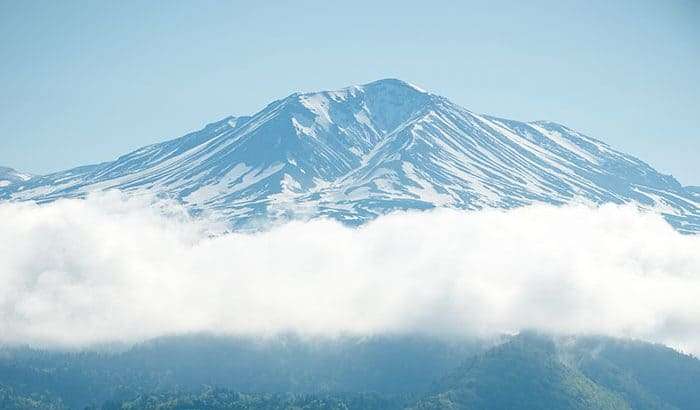

Daisetsuzan National Park stretches across the heart of Hokkaido. With its beautiful alpine landscapes and lush forests, it is a place where visitors can experience the grandeur of nature.
Based in Higashikawa Town at the foot of the Daisetsuzan Mountains, Kazuhiro Arai has been dedicated to eco-tours and environmental education for children for many years.Currently, he is active in a wide range of roles, including serving as the representative of DAISETSUZAN EXPERIENCE, chairman of the Hokkaido Adventure Travel Council, and a certified trainer for the Global Sustainable Tourism Council (GSTC), which promotes international standards for tourism.
The foundation of all these activities—and the role he remains deeply committed to even today—is his work as a “nature guide” in the Daisetsuzan Mountains.
“Enjoying nature” and “protecting nature.” And “traveler satisfaction” and “giving back to the community.” How does Mr. Arai reconcile these challenges—which at first glance seem difficult to balance—in his daily tours?In this article, we explore insights from our interview with Mr. Arai on how to ensure tourism doesn’t end as mere “consumption,” but instead enriches the future of both the local community and nature.
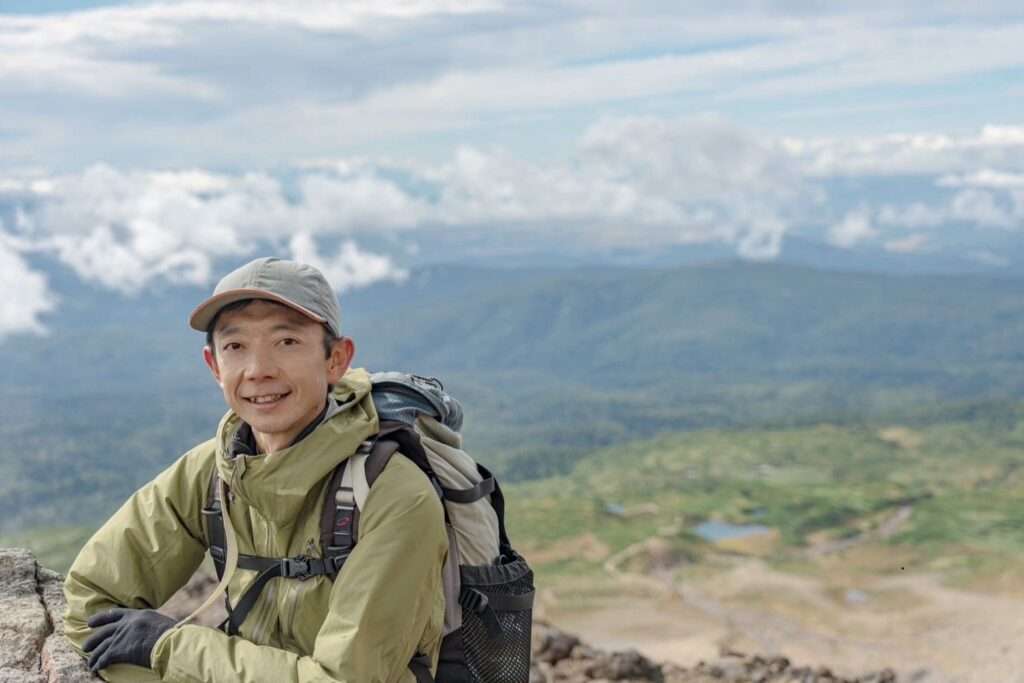
Kazuhiro Arai
A native of Sapporo, he moved to Higashikawa Town, Hokkaido, in 2000 and founded the Daisetsuzan Nature School the following year, in 2001. He has been involved in nature experience programs for children, eco-tours, user-led conservation activities in nature parks, wood education, and forest kindergartens.
In the tourism sector, in addition to working as a “Hokkaido Outdoor Guide” certified by the Governor of Hokkaido, he will become a certified “Hokkaido AT (Adventure Travel) Guide” in 2023.
In April 2025, he established a new guiding organization called “DAISETSUZAN EXPERIENCE.” Based in the Daisetsuzan area, he has relaunched initiatives focused on nature interpretation and sustainable tourism, continuously refining his practices while reflecting on what it means to be a guide who is valued by the local community.Furthermore, as a certified trainer for the Global Sustainable Tourism Council (GSTC)—the international standard for sustainable tourism—and as a board member of the Asian Ecotourism Network, he is working to promote and implement sustainable tourism both domestically and internationally.
We are committed to mutually respecting diverse values and translating that respect into concrete action, and we are also dedicated to fostering collaboration with Ainu culture and promoting multicultural understanding. We aim for a future in which both our community and the natural environment continue to thrive.
Nature Guides Design the “Serendipity” of Travel
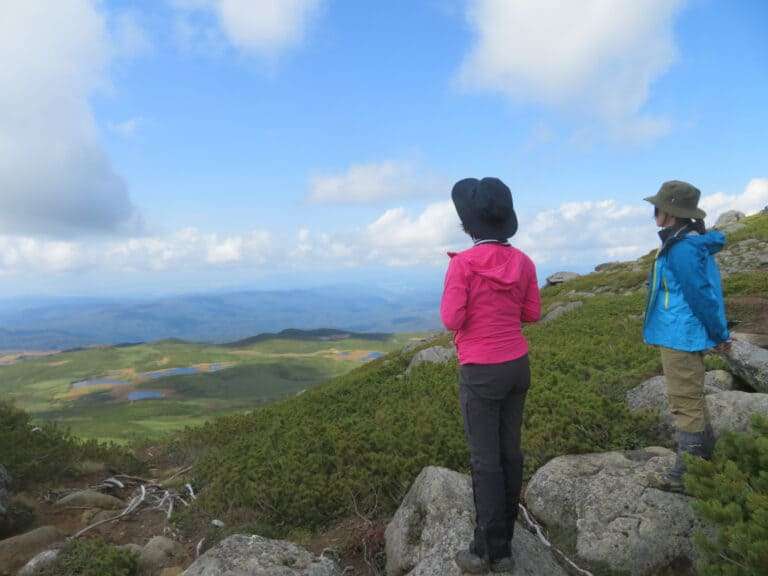
An experience that makes travelers genuinely feel, “I’m so glad I came here.” That, in itself, is the first step toward turning tourism into a contribution to the local community.
The beautiful sunsets and wildlife that travelers happen to see while traveling, as well as casual conversations with locals, leave a lasting impression on them. However, behind those moving experiences lies the meticulous preparation of nature guides.
Mr. Arai plans his tours by calculating the time the sun sets over the Sea of Japan and adjusts the itinerary based on the likelihood of encountering a Japanese woodpecker.
Mr. Arai: It might look like a coincidence to travelers, but we’re actually carefully timing everything behind the scenes. While saying, “It’s great that you happened to see that,” we’re working to make that “coincidence” happen as naturally as possible.
“WOW” Comes Before Correctness: Three Keys to Creating a “Memorable Trip”
Mr. Arai says that to create experiences that deeply move travelers, the “sequence” of steps needed to ensure satisfaction is crucial.
First, we satisfy the “physical satisfaction”—that pure, heart-leaping joy that comes from exclaiming, “This is delicious!” or “This is beautiful!” Only after travelers have fully savored the charm of the area do we provide a lecture on the natural history and cultural background to satisfy their “intellectual satisfaction.”As intellectual understanding builds upon this foundation of physical delight, the experience eventually elevates to “spiritual satisfaction”—the feeling that “I’m glad I came here.”
Furthermore, this approach—which prioritizes “wonder” over “correctness”—is also extremely important for practicing “sustainable tourism” that protects nature and local communities.
In their eagerness to promote sustainable tourism, business operators often end up focusing their messaging on “what’s right”—such as environmental protection rules and challenges. However, forcing these principles on travelers who aren’t emotionally invested won’t generate genuine empathy.
It is only when there is a foundation of genuine emotion that the desire to protect that place can take root.
The Role of a Nature Guide: Believing in Change and Waiting
On the other hand, travelers may not always respond as intended. This is because respect for the local natural environment and culture isn’t something that develops immediately after a single explanation.
What a nature guide can directly create is not the travelers’ sense of wonder itself, but rather an environment conducive to that sense of wonder. How can encounters with sunsets, wildlife, and local people be arranged in a way that truly resonates with travelers? We observe their reactions, reflect on the results, and refine our tour designs—all while trusting in the travelers’ growth and patiently waiting for it to unfold.
Even if no obvious changes occur right away, we continue to sow the seeds of small insights throughout the experience. It is precisely because we maintain this attitude of trusting in and waiting for the traveler’s transformation that “chance encounters” on a trip become more than just memories—they become gateways to a new way of seeing the local community and nature.
Designing Tours and Building Systems That Turn “Consumption” Into a Contribution to the Local Community
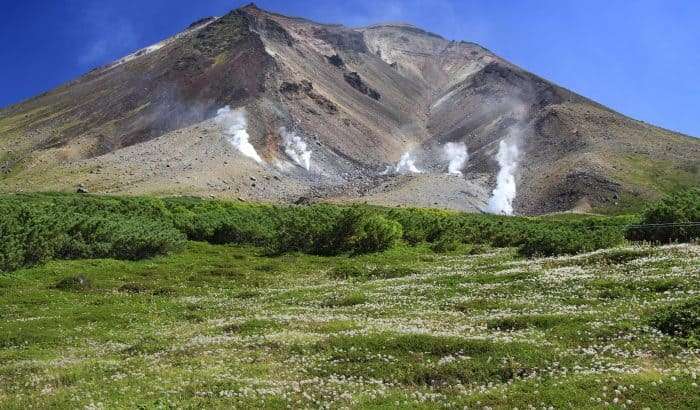
Even if travelers have a “WOW” moment at a tourist spot but their experience ends up being nothing more than mere “consumption,” nature guides have no choice but to accept it. After all, they cannot force travelers to change their sense of ethics or standards, and it is up to the travelers themselves to decide how considerate they will be toward the local community.
That is precisely why, if we want to create economic and environmental impact in the region through tourism, those providing the experiences need to intentionally design something that goes “beyond the ‘WOW’ factor.”
3 Steps to Designing Sustainable Tours
According to Mr. Arai, there are three stages to designing sustainable tours.
- Policy Development: Determine the procedures and guidelines for incorporating community outreach into tours
- On-site Procedures: Nature guides conduct tours in accordance with these guidelines.
- Monitoring: Checking whether actual actions are leading to the intended results
“What matters is whether the tour has a policy, whether it is acting in accordance with that policy, and whether it is monitoring whether those actions were correct,” says Mr. Arai.
A system that protects nature while allowing people to enjoy it, without requiring them to make sacrifices
To protect nature, we must not impose the providers’ notions of “right” or “justice” on travelers. This is because simply asking people to make sacrifices or go out of their way will not lead to lasting change in their behavior.
The key is to design a system in advance that allows travelers to simply enjoy their trips, while naturally contributing to conservation as a result.
One specific example of this is a program in which a portion of the tour fee is donated to local environmental conservation efforts. Even if travelers do not make a separate donation, simply participating in the tour automatically contributes to protecting nature.
Mechanisms and the practices of nature guides shape natural conservation
Not only the structure of the program—such as donation-based models—but also the behavior of nature guides in the field plays a major role in changing travelers’ behavior.
For example, a nature guide might always carry a trash bag and, if they see litter on the ground, pick it up coolly without making a big deal of it. How travelers feel when they see this is entirely up to them. However, by consistently demonstrating such behavior as a matter of course, nature guides naturally help travelers come to share the “value of respecting nature.”
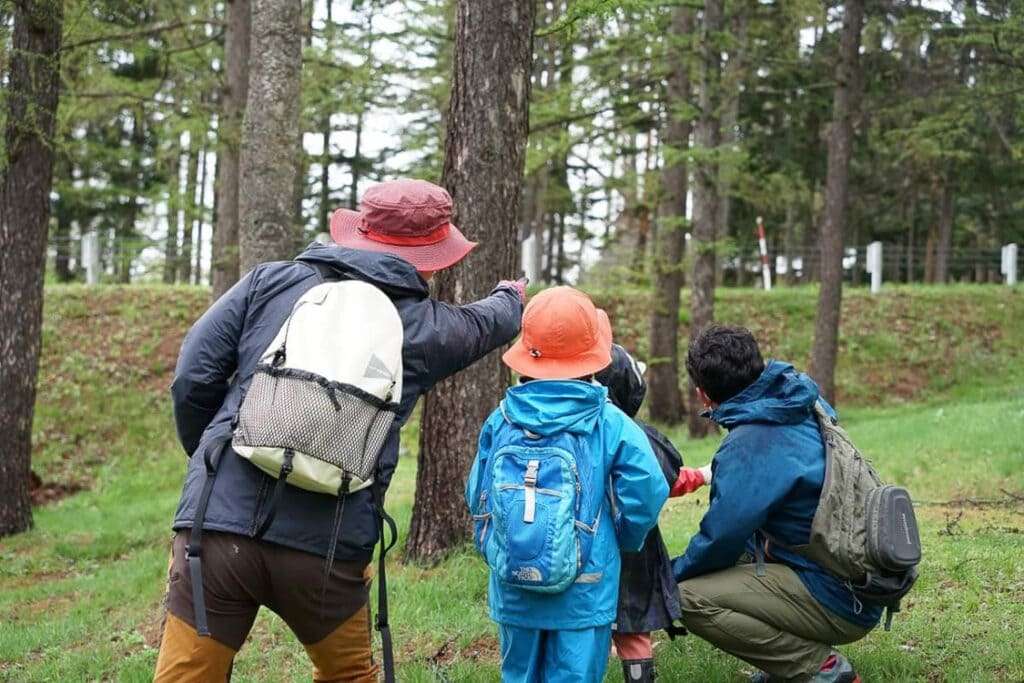
Furthermore, when providing explanations, I do not give loud instructions such as “Please gather over here.” Instead, I subtly guide the group to ensure they do not obstruct the flow of traffic, helping them naturally find a suitable spot to gather. Rather than issuing verbal warnings, I use this kind of behavior to help travelers understand how to be considerate of those around them.
As nature guides consistently demonstrate a code of conduct grounded in high ethical standards as part of their daily routine, travelers who participate in the same tour several times will naturally begin to pick up trash and listen attentively as a group.
Mr. Arai: “Rather than advocating, ‘Let’s protect nature,’ if people simply enjoy nature, they’ll find themselves taking actions to protect it before they even realize it. That’s the kind of system I want to create.”
Empathizing with the “I know I should, but I can’t stop” mindset
That said, changing people’s behavior isn’t easy.
Even though we understand that we should be mindful of the environment, we’ve all bought convenient bottled drinks or accepted plastic bags while shopping. It’s a reality of human nature that, even when we know what’s right, we often fail to put it into practice if it involves extra effort or inconvenience.
Mr. Arai: There’s a part of us that says, “I know I shouldn’t, but I just can’t stop.” Even if we agree with a certain way of thinking, when it comes to taking action ourselves, we tend to want to avoid the hassle.
If you give firm guidance, you might be able to correct their behavior in the moment. However, if that causes the traveler to experience significant stress, it won’t lead to positive behavior in the future. For this reason, Mr. Arai constantly seeks the right balance in how he communicates—observing the other person’s reactions, adjusting the intensity of his guidance as needed, and using a cheerful tone or, at times, a touch of sarcasm.
To ensure that sustainable tourism does not remain an initiative limited to a select group of “environmentally conscious people,” it is important not only to advocate for what is right but also to design systems that allow everyone to take action without undue burden.
“Authenticity” is found in the everyday life of the community
Just as actions to protect nature arise from travelers’ “natural behavior,” it is essential to “be authentic” when showcasing local culture. This is because asking local residents to put on a show in an effort to please travelers actually ends up lowering traveler satisfaction.
What really matters in a cultural experience is whether it was created solely to be shown to tourists, or whether it is something that is actually practiced in the local community.
It’s not about how long it’s been around, but whether it’s rooted in the local way of life
Hokkaido is a region where full-scale development began in earnest after the Meiji era, laying the foundation for its current towns and industries. Compared to many regions on Honshu, the history and culture of Hokkaido—as perceived by visitors to Japan—can be said to be relatively recent.
However, a long history is not the only criterion for something to be considered “authentic.” Even if an endeavor is relatively new, if the local people are familiar with it in their daily lives and have passed it down as their own, it can become “authentic” to that region.
Mr. Arai cites “rafting”—an activity in which participants ride down rapids and rivers rich in natural beauty in rubber boats, enjoying the spray and the thrill—as an example.
Today, rafting has become firmly established as one of Hokkaido’s signature adventure activities. However, as one might expect, rafting is not part of the region’s traditional culture, nor is it an activity that local residents engage in on a daily basis. In that sense, it can be said that it was originally designed as an “experience” for tourists.
However, in recent years, rafting has been incorporated into local elementary school curricula and community hands-on activities, and it is beginning to take root as a familiar activity for local children.
In this way, even if a new activity comes from outside, if it blends into the lives of local residents and becomes “part of the community’s daily life,” it will eventually come to be regarded as the “authentic” culture of that place.
Eliminate excessive dramatization and convey “reality” as it is
When introducing local culture to travelers, presenting it in an easy-to-understand way does not necessarily lead to a positive experience.
At the opening of the climbing season on Mount Asahidake in Daisetsuzan National Park, an event organized by Mr. Arai, the Ainu religious ritual “Kamui-nomi” is performed. Initially, to help tourists understand the ceremony, the organizers considered providing commentary during the ritual.

However, the local community did not actively seek this change, and some tourists reportedly said they wanted to “see it as is, without any commentary.”
Therefore, rather than adapting the ritual’s sequence for tourists or adding theatrical elements, we chose to present it as it is, within the limits of what the local community had approved. Among the participants were young Ainu people with little prior experience, who took part in the ritual while being taught the proper etiquette.
Mr. Arai: I think the authenticity of the community lies in the fact that they don’t hide anything—including the process of learning the etiquette. That’s more intriguing than just showing the finished product.
In addition, by providing explanations as appropriate after the ceremony and answering questions from travelers, we were able to increase traveler satisfaction.
First and foremost, nature guides themselves must be sustainable.
Even if the goal is to promote tourism that protects nature and local communities, it cannot truly be called sustainable if the nature guides who lead the tours become burned out and are no longer able to continue their work.
The reason Mr. Arai began to focus on the “sustainability of nature guiding” was not based on idealism, but on a very practical consideration: “If I don’t do this, I won’t be able to keep my job.”
A Shift to “Organized Tours” Led by Nature Guides
The fact that “Adventure Hokkaido,” run by Mr. Arai and his team, offers “group tours”—where departure dates and itineraries are set in advance rather than providing customized tours tailored to travelers’ requests—is a choice made with the sustainability of the provider in mind.
Since tour preparations can be made well in advance, this significantly reduces the burden of constantly accommodating individual requests and allows nature guides to better manage their own time and energy.
While there are certainly many concerns and challenges, such as attracting customers, this can be seen as a necessary choice for maintaining a sustainable operational structure.
Alternative Measures to Ensure the Safety and Discretion of Nature Guides
Tours often don’t go as planned due to inclement weather, such as rain, or because travelers aren’t properly equipped. To prepare for such unforeseen circumstances, Mr. Arai has several alternative plans ready in advance.
Underlying this is a perspective that views tourism objectively as a “business.” By deciding in advance that “if it comes down to it, we can always issue a refund” as a last resort, they prevent staff from having to make unreasonable concessions on the spot.
Mr. Arai: If we can’t offer refunds, we’ll end up having to go out of our way to accommodate travelers, which can prevent us from making appropriate on-site decisions and even make the nature guides themselves lose interest in their work.
Establishing refund criteria as a final measure is not an abdication of responsibility. Since insisting that “things proceed as scheduled no matter what” actually compromises safety, these criteria serve as a safety net that allows nature guides to make sound judgments on-site without undue pressure.
Furthermore, since it is difficult for a single person to handle both proposing such alternatives and responding to emergencies, it is essential to establish a team-based support system where members can help one another when needed.
Bridging the Gap Between International Standards and On-the-Ground Reality
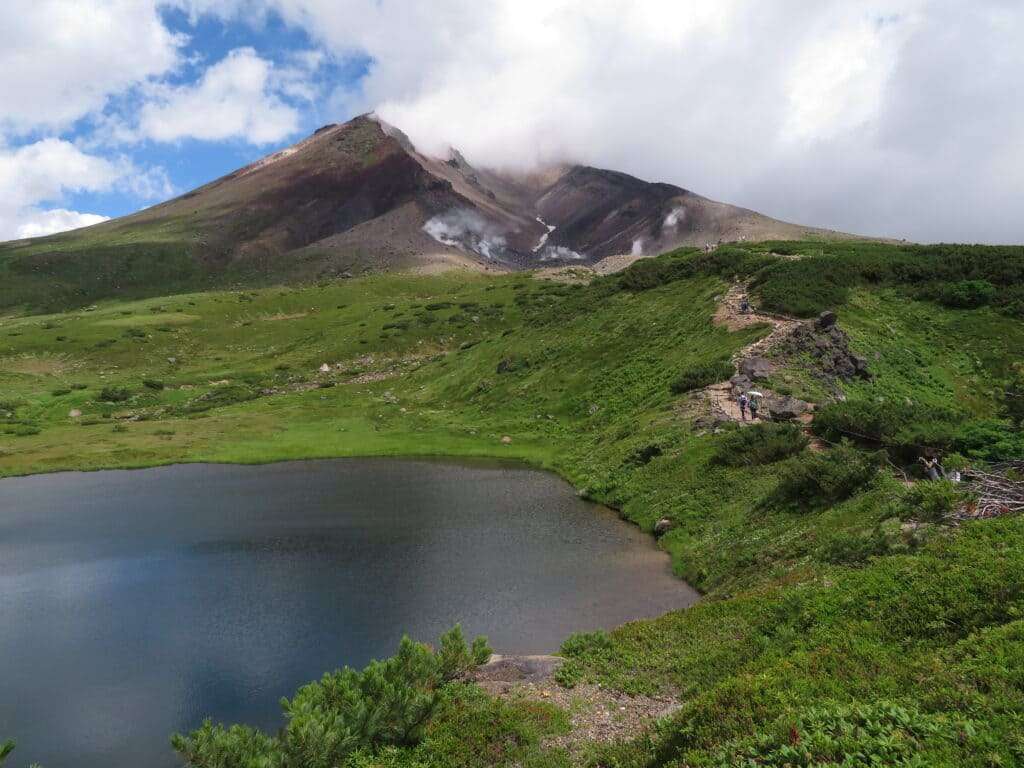
As a GSTC-certified trainer, Mr. Arai communicates international sustainable tourism standards, while also serving as an active nature guide who leads tourists through the Daisetsuzan Mountains. He says that it is precisely because he moves back and forth between an international perspective and a hands-on, on-the-ground perspective that he is able to see the “differences in priorities” that exist between the two.
“Important but not urgent tasks” tend to get put off
The GSTC focuses exclusively on fundamental issues that underpin local tourism—such as the environmental, community, and cultural impacts of tourism business models and supply chains. However, the reason these concepts have not yet taken root among nature guides and business operators on the ground is said to be the “pressing demands of their daily work.”
Mr. Arai: On the front lines, there are numerous important and urgent issues that must be addressed on a daily basis, such as safety, health, and customer attraction. On the other hand, while global environmental issues are certainly important, they are not the kind of problems that would make it impossible to continue business operations if we didn’t address them immediately.
This discrepancy in time horizons—between the front-line staff, who are preoccupied with short-term challenges, and those with a medium- to long-term perspective focused on the ideal state—is creating a gap between international standards and the front lines.
For businesses that primarily cater to domestic travelers, compliance with international standards tends to be put on the back burner. Even if they understand the need for it, they find it difficult to justify allocating limited staff and time to the task unless non-compliance has an immediate impact on sales or customer traffic.
Sustainability: A Must in the Inbound Market
On the other hand, the situation is completely different for businesses that conduct B2B transactions with overseas travel agencies.
In recent years, overseas markets—particularly in Europe, the United States, and Australia—have placed a strong emphasis on sustainability initiatives, and the presence or absence of such initiatives directly influences whether a tour is selected. In other words, for businesses targeting inbound tourism, compliance with international standards is no longer a “important but non-urgent issue”; it has become a “critical and urgent issue” that is essential for survival.
What Mr. Arai prioritizes is not trying to motivate business operators based on principles alone, but rather creating an environment where the reasons for taking action arise from the front lines.
Nature guides and travel agencies will gain practical experience, and third parties—such as the media and business partners—will evaluate the results. If such evaluations directly lead to increased customer traffic and business opportunities, sustainable initiatives will likely spread as “an essential condition for survival in the tourism industry.”
The Current State of Adventure Travel in Hokkaido
This international perspective is directly linked to the adventure travel (AT) initiatives being promoted by Hokkaido. Mr. Arai serves as chairman of the “Hokkaido Adventure Travel Council,” which was established in 2017, but he notes that when the initiative first began, the response from local businesses was not necessarily positive.
Mr. Arai: “So, after green tourism and ecotourism, is adventure travel the next big thing? There was a sense that people were wondering if it was really worth pursuing. To be honest, I felt that way myself at first.”
Today, adventure travel is making a significant contribution to enhancing Hokkaido’s brand image and is gaining popularity among international visitors.
However, not everyone in the region is on the same page. Many business owners are taking a step back, saying, “While we’re grateful that the region is thriving, we don’t plan to invest our own time and effort in learning a foreign language or to make a serious commitment to providing special services for inbound tourists.”
This disparity between industries and the high psychological barrier to entry reflect the reality of the current situation. In fact, significant disparities in sales and profits are beginning to emerge among nature guides.
First and foremost, it is important for nature guides to establish a stable financial foundation for themselves. On that basis, it is expected that the number of people who can achieve business stability by focusing not only on Japanese clients but also on inbound tourists will continue to grow.
The “A, B, and C” Strategy for Categorizing the Roles of Local Resources
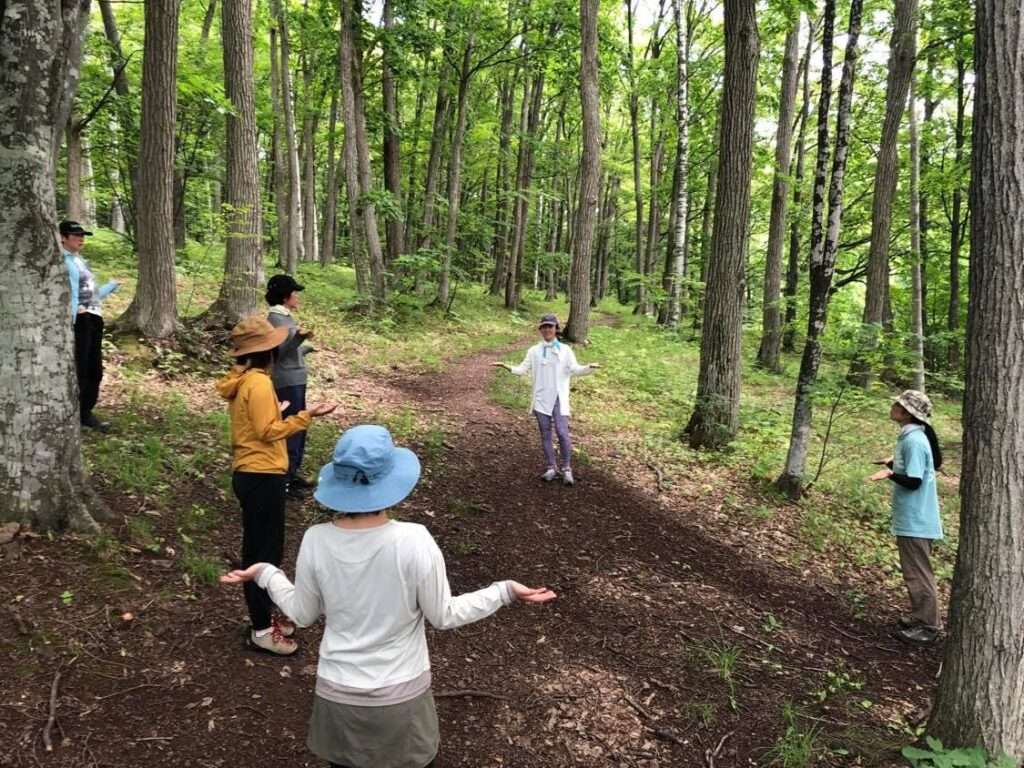
So, how should we go about bringing Hokkaido’s resources to the world from here on out? In this interview, Mr. Arai pointed out the importance of categorizing regional resources into “Grade A, Grade B, and Grade C” based on their respective roles.
“Grade A resources”—such as drift ice and skiing—serve as the main attractions that draw travelers from around the world. “Grade B resources”—such as nature guides—enhance visitor satisfaction during their stay. And then there are “Grade C resources,” which, independent of travel agencies’ needs, are products the local community wants to promote and that reliably generate profits for the local economy.
Rather than marketing all resources overseas in the same way, we should clearly distinguish between “what attracts travelers,” “what enhances satisfaction,” and “what generates benefits for the local community.” It is this clear distinction that leads to both being chosen by the international market and ensuring that the local community reaps the benefits of tourism.
Community revitalization requires supporters
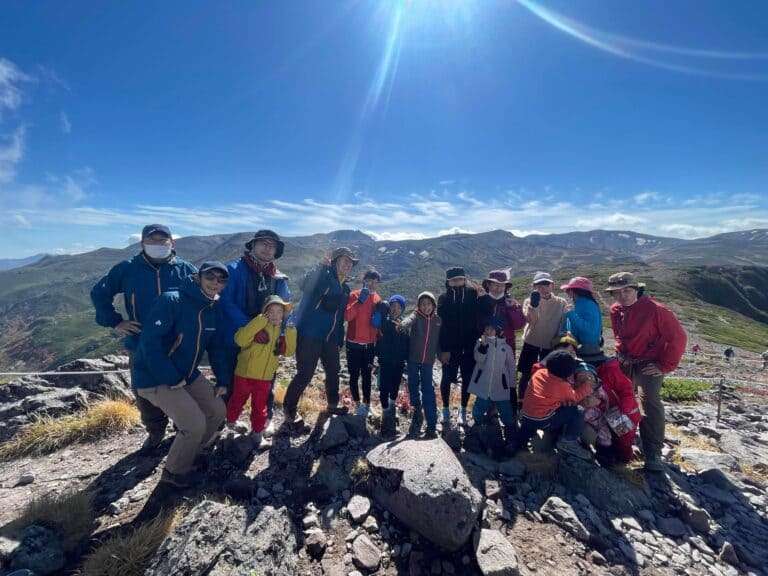
Mr. Arai points out that in order to improve a region through tourism, a shared vision of “what kind of region we aim to create” is necessary. However, in a region where people with diverse perspectives and values live, it is not easy for everyone to share the same vision of the future.
That is why Mr. Arai places greater emphasis on the concept of “followership”—supporting others—rather than leadership, which involves taking the lead himself.
Supporting and Connecting Existing Activities: The “Followership” Required in Tourism
Contributing to the community isn’t just about launching new initiatives from scratch and bringing people together. Today’s tourism industry is called upon to serve as a “hub” that supports those already active in the community and connects them with the people and resources they need.
Mr. Arai: There are many people who take the lead. But I think there are still relatively few people who can provide the support needed to back up others’ efforts.
Social movements don’t gain momentum just because one person speaks out first. It is only when the first followers—those who empathize with the movement and demonstrate to others that “it’s worth joining”—appear that it transforms into a major wave of change. Similarly, in community revitalization, it is essential to have people who support existing initiatives and attract new participants.
Mr. Arai himself used to lead volunteer activities, such as picking up trash, on his own. However, he has now shifted his approach to organizing tours by gathering people and having them participate in the activities of existing local organizations. This is because many of the organizations active in the community struggle most with “attracting participants.”
On one hand, there are local organizations that have the know-how but struggle with a shortage of manpower; on the other, there are travelers who want to contribute but don’t know what to do. If tourism businesses can serve as a “hub” connecting these two groups, they can strengthen and expand existing initiatives without having to launch new organizations.
The Responsibility of Those Who “Borrow” Culture
This approach to followership—”supporting those directly involved”—also applies when promoting local culture through tourism.
In particular, when tourism operators convey a culture to travelers—such as Ainu culture—in which they themselves are not direct stakeholders, they must always be mindful that they are “borrowing” that culture. Furthermore, it is essential to always confirm with the stakeholders themselves how the culture should be presented and treated.
It is important not for outsiders to discuss culture based solely on their own interpretations, but rather to support the local community and create a space where their own voices can be heard.
The Power of “Names” in Reclaiming a Land’s History
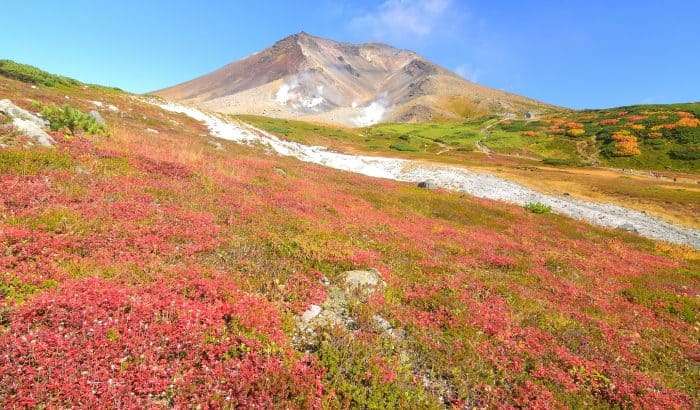
As a sign of respect for that culture, Mr. Arai has a dream he hopes to realize in the future.
Mr. Arai: Someday, I’d like to be able to refer to “Daisetsuzan National Park” as “Nutupakausipe / Daisetsuzan National Park.”
To learn about the culture of this land and to ensure that the dignity of the Ainu people and proper respect for their culture are upheld in modern society.
We believe that this is an important form of “courtesy” and a way of showing respect for us as we conduct business here.
“Nutupakausipe” is a term recorded in Hokkaido documents as an Ainu place name associated with the Daisetsuzan mountain range.
Initiatives to incorporate Indigenous languages into place names are already being implemented in leading tourist destinations around the world.In Australia, official names have been changed to place the Indigenous name first, as in “Uluru / Ayers Rock,” and in the U.S. state of Alaska, the name was officially changed from “Mount McKinley” to “Denali,” which is the Indigenous name.
As a means of respecting the history and culture inherent to a place and re-establishing a shared understanding of them throughout society, the use of such dual naming holds tremendous significance.
Turning the “WOW” of Travel into Local Revitalization
What becomes clear from Mr. Arai’s efforts is the fact that travelers need only experience a genuine sense of “WOW” (a sense of wonder). Rather than leaving sustainability up to travelers’ individual awareness, it is crucial to design “systems” in advance that ensure nature and local communities are protected behind the scenes while travelers enjoy themselves without a care in the world.
Furthermore, to ensure that this system does not remain merely a theoretical ideal, it is essential to establish an operational framework that allows providers themselves to earn adequate revenue and sustain their businesses without undue strain. It is only with such a solid foundation that true “followership” toward the community can truly come to life.
The genuine wonder of travelers, sustainable business practices by service providers, and a sincere commitment to supporting the local community. When these elements come together, might travel—which often exploits nature—transform into a force that enriches the future of the region?

